
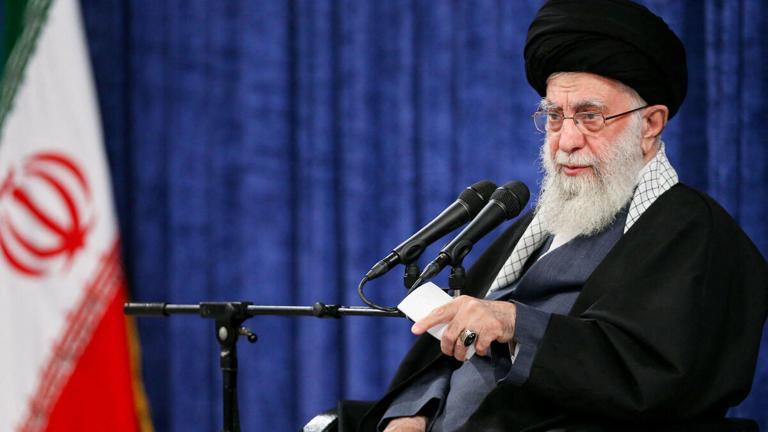
The Iranian regime is currently embroiled in a wave of internal crises following the death of former President Ebrahim Raisi in a helicopter crash on May 19.
The incident, which also claimed the life of Foreign Minister Hossein Amir-Abdollahian, has intensified the regime’s longstanding internal conflicts and exposed its ongoing struggles to maintain stability and unity.
Mojtaba Zonnour, the Deputy Speaker of the Iranian parliament, recently made notable remarks highlighting Raisi’s role in alleviating Supreme Leader Ali Khamenei’s concerns during his presidency. Zonnour stated, “During the three years that Raisi was president, Khamenei could breathe easily; because the previous concerns, the lack of coordination among the branches, the conflicts, disputes, circumventions, and deviations did not occur, and the leader’s concerns were reduced.” Zonnour’s analogy comparing the regime to an airplane, with Khamenei as the pilot and the president as the co-pilot, underscores the hierarchical and rigid nature of the regime’s structure.
Raisi’s presidency was marked by strict adherence to Khamenei’s directives, a trait that earned him praise from regime hardliners but also highlighted the fundamental contradictions within the Iranian political system. Ahmad-Reza Radan, the head of the State Security Forces, praised Raisi’s willingness to engage in unpopular enforcement actions, including crackdowns on mandatory hijab enforcement, without concern for public opinion or electoral repercussions.
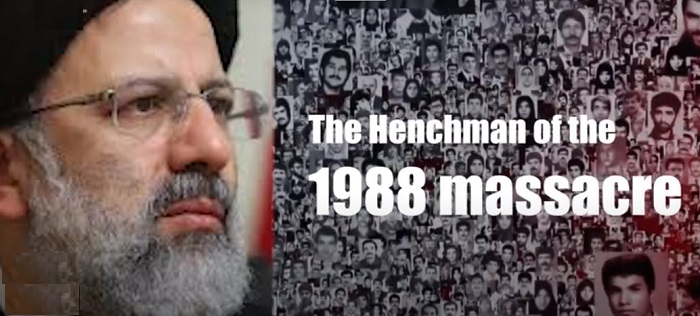
This unwavering loyalty to Khamenei’s orders was reminiscent of Raisi’s role in the 1988 massacre of political prisoners, an episode that has left a lasting stain on his legacy.
The regime’s internal contradictions, rooted in the medieval clerical system’s clash with the institution of the presidency, have plagued it since the time of regime founder Ruhollah Khomeini. Even Khamenei, during his presidency, faced conflicts with Khomeini, highlighting the persistent tension between the supreme leader and the president.
Khamenei’s tenure as supreme leader has been marked by numerous clashes with former presidents, including Mohammad Khatami, Mahmoud Ahmadinejad, and Hassan Rouhani. In an attempt to mitigate these conflicts, Khamenei considered shifting the system from a presidential to a parliamentary one but ultimately resorted to appointing the “absolute obedient” Raisi as president. However, this solution proved temporary, as the regime continued to face internal discord and public discontent.
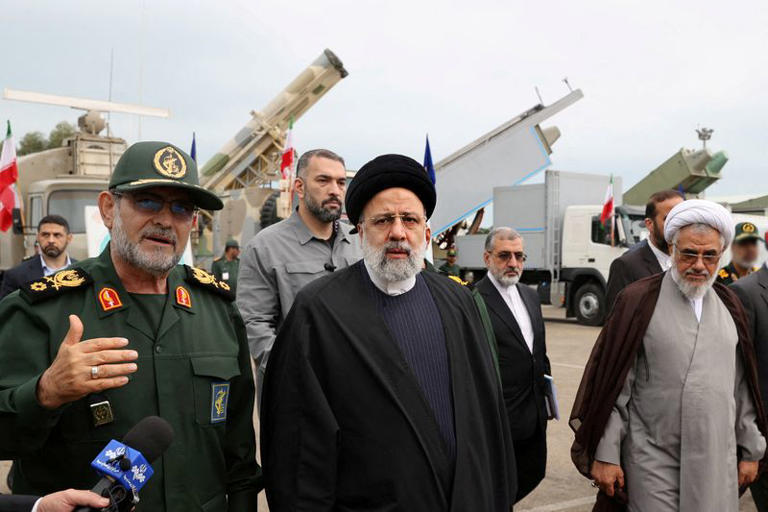
The deaths of Raisi and Amir-Abdollahian, both seen as pillars of support for Khamenei, have further destabilized the regime.
The deaths of Raisi and Amir-Abdollahian, both seen as pillars of support for Khamenei, have further destabilized the regime. Esmaeil Kowsari, a member of the Majlis, emphasized the close alignment between Amir-Abdollahian and the IRGC Quds Force, highlighting his role in securing their trust during negotiations. With their loss, Khamenei is left grappling with increased turmoil and an escalating internal crisis.
As Iran approaches upcoming elections, the regime’s internal strife is expected to intensify, revealing the deep-seated issues that continue to challenge its stability. The regime’s efforts to present a facade of control and composure are increasingly at odds with the reality of a crisis-ridden administration facing widespread public dissatisfaction and the looming threat of societal unrest.

MEK Iran (follow us on Twitter and Facebook), Maryam Rajavi’s on
her site, Twitter & Facebook, NCRI (Twitter & Facebook),
and People’s Mojahedin Organization of Iran – MEK IRAN – YouTu