
Amid growing economic hardships, Iranians across the country have taken to the streets, demanding better living conditions, wage increases, and improved social services.
Protests erupted on November 3, with retirees, workers, and healthcare professionals rallying in multiple cities, highlighting widespread discontent with the government’s handling of economic policies and public welfare. In the southwestern city of Shush, retirees from the Social Security Organization resumed demonstrations, chanting, “Enough with the warmongering, our tables are empty.” Their demands center around increased pensions and access to essential services as they face rising living costs and deteriorating social security benefits.
In the capital city, Tehran, Social Security retirees protested, calling for higher pensions and better access to basic services. Many demonstrators carried signs expressing frustration with inflation and economic mismanagement, underscoring the daily struggle of many Iranians to make ends meet.
Isfahan, in central Iran, saw similar unrest from steel sector retirees demanding higher pensions. This protest, reflecting broader grievances within Iran’s industrial heartland, emphasized the need for essential services and adequate pensions to support retirees who have long contributed to the country’s infrastructure.
November 3—Yazd, central Iran
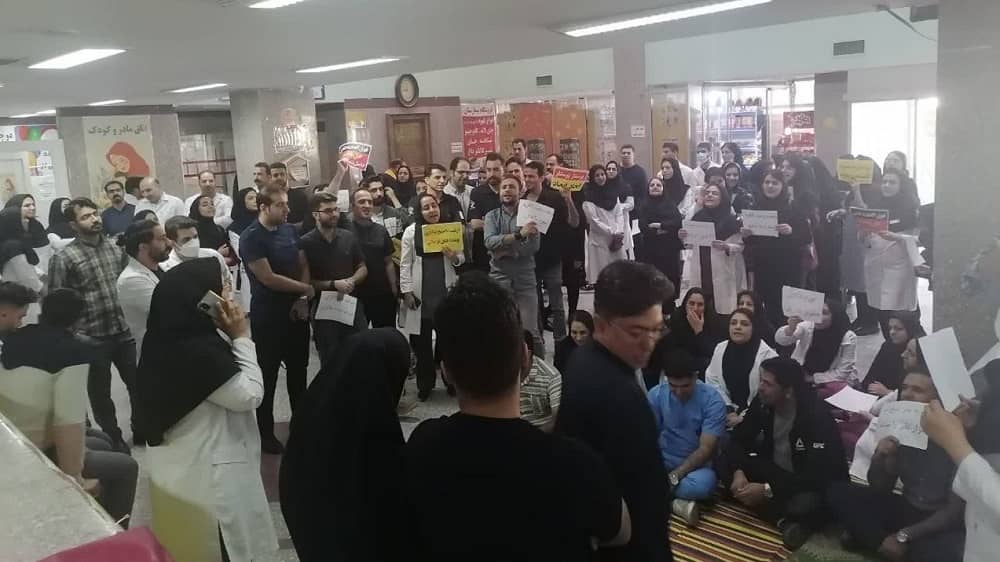
Nurses at Sadoughi continue protests as the government refrains from addressing their demands for better wages and working conditions.#IranProtestspic.twitter.com/dsjgeABwg1— People's Mojahedin Organization of Iran (PMOI/MEK) (@Mojahedineng) November 3, 2024
Healthcare professionals joined the growing wave of protests, with nurses from Sadoughi Hospital in Yazd rallying over wages and working conditions. Despite repeated pleas, their demands have gone unmet, fueling frustration and highlighting the challenges within Iran’s strained healthcare sector.
In Ahvaz, Social Security retirees voiced solidarity with detained workers, chanting, “The imprisoned worker must be freed.” This call to action emphasized the broader need for justice and fair treatment within Iran’s workforce, particularly for labor activists facing imprisonment.
November 3—Isfahan, central Iran
Retirees of the steel sector resume protest rallies, demanding higher pensions and other basic needs. #IranProtestspic.twitter.com/eUDPPHt961— People's Mojahedin Organization of Iran (PMOI/MEK) (@Mojahedineng) November 3, 2024
Protests in Kerman, which began on November 2, saw retired coal workers rallying over low pensions and limited access to healthcare and other services. These demonstrations echoed a deep-seated frustration with the government’s neglect of its retired workforce, especially in industries central to Iran’s economy.
The situation is further exacerbated by the targeting of marginalized communities, including the Baluch residents of Chabahar. On October 31, regime security forces demolished homes in the Zibashahr neighborhood, intensifying existing grievances. In Saravan, two Baluch citizens were killed by security forces on November 1, fueling resentment within a community already bearing the brunt of systemic discrimination.
June 23—Qaemshahr, northern Iran
Retirees of the steel industry resume weekly protest rallies in front of the offices of the Steel Retirement Fund in Mazandaran to reiterate their demands for higher pensions according to the rising costs of living. #IranProtests pic.twitter.com/wS9gzDZkXW— People's Mojahedin Organization of Iran (PMOI/MEK) (@Mojahedineng) November 3, 2024
These protests highlight the growing discontent with Iran’s economic and social policies, as the voices of workers, retirees, and healthcare professionals call for urgent systemic change to address Iran’s mounting challenges.
