
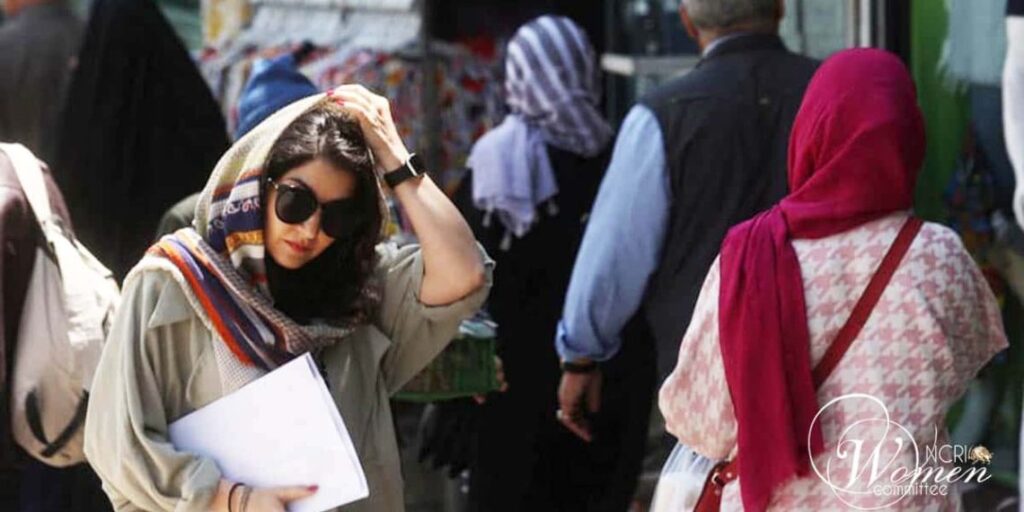
Over recent months, women in Isfahan, Iran, have reported receiving anonymous text messages warning them about their hijab adherence, despite wearing headscarves in public.
The warnings, issued under the name of the “Provincial Headquarters of Promotion of Virtue and Prevention of Vice,” urge women to fully cover their hair, particularly in public transport like the metro. Ignoring these advisories has led to follow-up messages suggesting legal consequences for “non-compliance,” reported Shargh Daily on October 25, 2024.The warning system has raised significant legal and ethical questions. Recipients who disregard initial messages soon receive escalated texts threatening judicial prosecution, reportedly credited to Isfahan’s Social Affairs and Crime Prevention Directorate.
For example, one woman’s father was reportedly alerted after she neglected a warning from morality monitors despite adhering to basic hijab guidelines. Social media users have responded with humor and concern, some jokingly dubbing the area the “Autonomous State of Isfahan.”These enforcement actions come at a complex time, as Iran’s “Hijab and Chastity” bill was recently ratified by the Guardian Council but is not yet fully implemented.
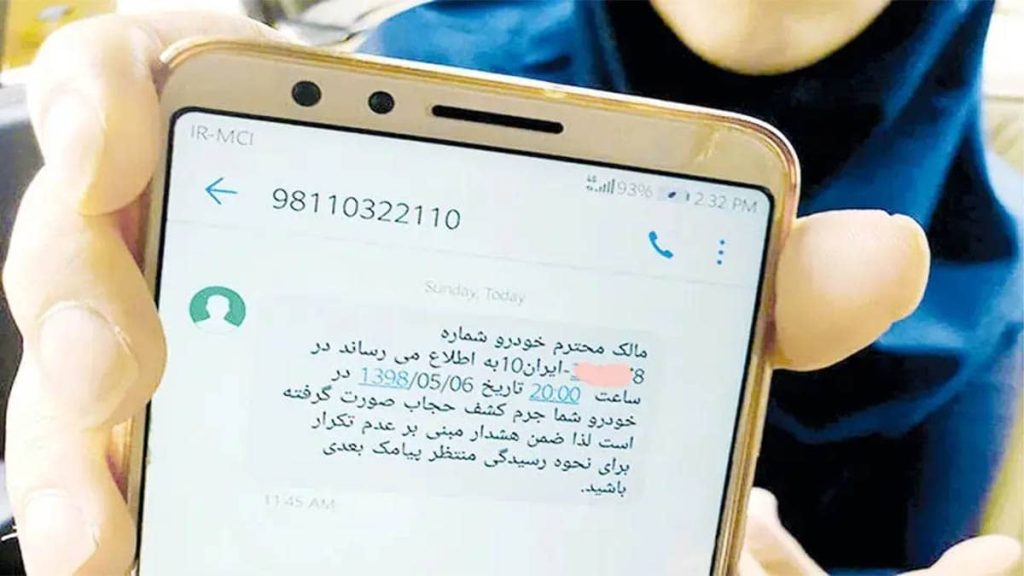
Threatening Hijab Texts Sent to Women in Isfahan
The lack of official enforcement protocols has led to growing suspicions that Isfahan’s actions may represent an unofficial “trial run” of the new legislation, prompting public alarm over privacy and potential overreach. Isfahan’s apparent use of surveillance technology to identify women not fully observing hijab—combined with text notifications and threats of fines has sparked a broader discussion about the reach and power of local authorities.
However, critics question how such enforcement could be legally initiated in Isfahan without the bill’s formal enactment. The previous framework, outlined in Article 638 of Iran’s Penal Code, allowed for penalties for hijab non-compliance but did not authorize mass surveillance or warning texts, marking a controversial shift in enforcement methods.
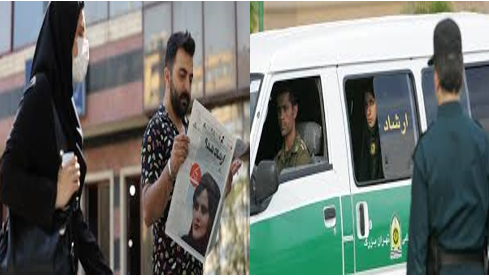
Officials and proponents of the hijab bill, including Amir Hossein Bankipour, a deputy in Iran’s Parliament, have indicated that surveillance cameras will aid in identifying women violating hijab regulations, with penalties delivered directly via text message.
As the hijab bill awaits final publication, concerns over privacy, legal authority, and transparency continue to intensify. Isfahan’s actions underscore the tension between government oversight and individual privacy, shedding light on potential implications for women across Iran, who now question whether their cities may follow in Isfahan’s controversial footsteps.
