
For yes, Western policies toward Iran have relied on engagement, economic incentives, and sanctions relief to temper Tehran’s nuclear ambitions and bring stability to the Middle Eastar.
Yet, as regional conflicts intensify and Iran’s influence grows, many are questioning the effectiveness of these approaches. Recent conflicts across Iraq, Syria, Yemen, and Lebanon highlight the destabilizing role of Iran’s regime, which wields considerable influence through armed proxies and terrorist groups, driving a cycle of violence across the region.Iran’s active support of militias throughout the Middle East—often characterized by their brutality—has earned its regime the title “the head of the snake” among critics. According to Maryam Rajavi, president-elect of the National Council of Resistance of Iran (NCRI), Tehran’s involvement is strategic, aimed at preventing domestic unrest by projecting threats abroad.
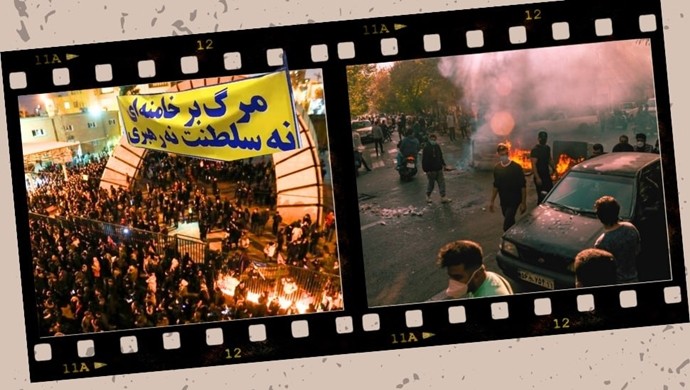
In a recent speech, Rajavi noted that since the 2022 protests, the regime has stoked regional conflicts to shift attention away from its vulnerability and forestall a potential uprising by the Iranian populace. Within Iran, voices for democratic reform are silenced, often violently. Reports of intensified repression and a surge in political executions indicate that the regime’s domestic policies are tightly intertwined with its regional ambitions. The escalating violence abroad and brutal crackdowns at home have, however, exposed the regime’s underlying instability a concern for Western policymakers and regional analysts alike. Rajavi observed, “The ruling regime has never been as weak, lacking a solution, and without a future as it is today,” yet these weaknesses only drive further repression and a more aggressive foreign policy.
Berlin Conference:
Ways out of the deadlock: Perspectives for a new #Iran policy democratic change within reach#Time4FirmIranPolicyhttps://t.co/52NcUopqlt— Maryam Rajavi (@Maryam_Rajavi) October 26, 2024
In response, there is a growing call among policymakers for the West to recognize Iran’s Islamic Revolutionary Guard Corps (IRGC) as a terrorist organization, underscoring the IRGC’s role in conflicts and acts of terror beyond Iran’s borders. Between 2018 and 2024, Iranian operatives reportedly attempted at least eleven attacks in Europe, raising serious concerns about Iran’s threat to global security. Many experts argue that it is time for the West to realign its policies toward supporting the Iranian people and their right to resist the oppressive regime, pointing to the NCRI’s long-standing organized opposition as a potential force for change.
The NCRI’s Ten-Point Plan, championed by Rajavi, envisions a secular, democratic Iran with gender equality, a commitment to peaceful international relations, and a non-nuclear future. Rajavi’s message to the West was clear: “Recognize the struggle of the Iranian people for overthrowing religious fascism. This is the solution for Iran’s freedom and peace in the region.” For Western governments, supporting the Iranian Resistance may provide a pathway to long-term stability in the Middle East.
