

Concerns over declining morale among Iran’s loyal forces have taken center stage in the country’s political and religious discourse, as voiced by key regime figures during recent Friday prayers.
Leading officials, including prayer leaders and high-ranking politicians, have raised alarms over increasing negativity and fear among the regime’s supporters, highlighting growing internal dissatisfaction with Iran’s regional conflicts and aggressive policies.
During the October 18 Friday prayers, Mohammad-Mehdi Hosseini Hamadani, the prayer leader in Karaj, expressed concerns about regime insiders becoming demoralized by the nation’s current trajectory. He criticized analyses by “cowardly individuals” who, swayed by external threats, advocate for retreating from Iran’s assertive regional stance. According to Hamadani, such perspectives are “undermining officials” and eroding the confidence of even the most loyal forces.
Similar sentiments were echoed across the country. In Isfahan, Yusef Tabatabaei-Nejad condemned voices questioning Iran’s involvement in regional conflicts, while in Birjand, Yusef Mokhtari addressed growing concerns from citizens who argue that the country should focus on domestic issues rather than spending resources on foreign wars in places like Yemen, Syria, and Iraq. These frustrations were mirrored by Ahmad Alamolhoda, who expressed dismay over the questioning of Iran’s significant role in the Israel-Palestine conflict.
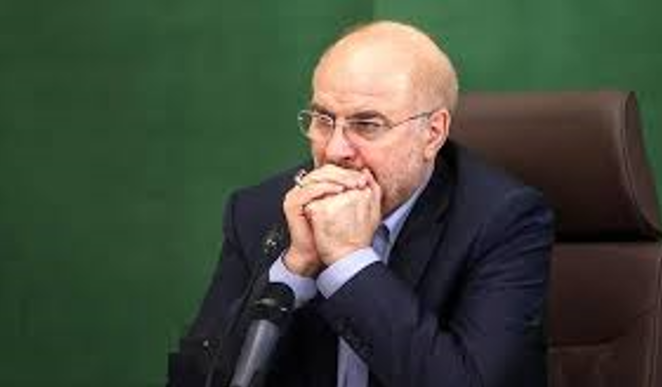
On October 17, Mohammad Bagher Ghalibaf, Speaker of Parliament, delivered a fiery speech in Mashhad, repeatedly urging the audience to cast aside fear in the face of technological and military superiority by foreign adversaries.
Using the phrase “we should not fear” 13 times, Ghalibaf aimed to rekindle a sense of confidence and resolve among regime supporters. This series of speeches highlights the regime’s struggle to maintain morale amid growing internal discontent. While the regime’s aggressive foreign policies have been instrumental in projecting power abroad, they have also triggered widespread dissatisfaction at home.
An editorial in the state-run Setareh Sobh newspaper on October 19 quoted an unnamed analyst acknowledging the backlash from the October 7 attack on Israel, with concerns over the long-term impact of these decisions. As internal unrest and protests loom, Iran’s leaders are increasingly aware of the risks posed by a loss of public support. Khamenei’s representative in Bandar Abbas, Mohammad Ebadi-Zadeh, voiced concerns about the potential for chaos within Iran, suggesting that internal disorder may pose a greater threat than external military actions.
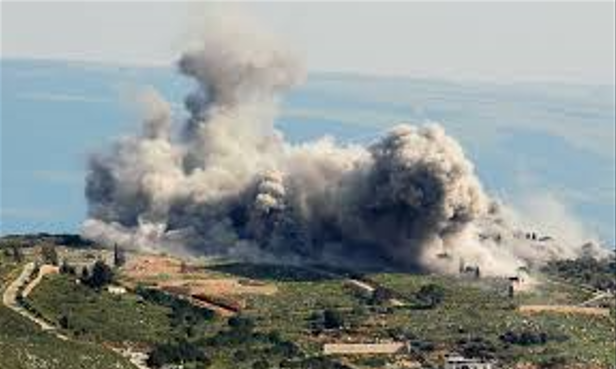
This rising dissent reflects a critical juncture for the regime, as it navigates escalating regional conflicts while trying to stave off the mounting pressure from within its own borders.
