
POLITICAL PLATFORM
- Title: Iran’s Defiant Resistance: The People’s Fight for Freedom
- Khamenei’s Real Fear: Unrest Within, Not Threats from Abroad
- As Protests Spread, Khamenei’s Plea Reflects a Shaken Regime
- UK Parliament Confronts Iran-Linked Security Threats
- Title: U.S. House Endorses Democratic Future for Iran with Bipartisan Resolution
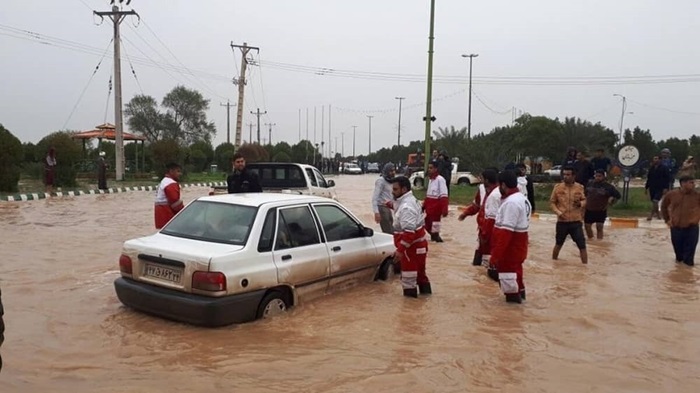
On Monday, September 30, a sudden flash flood in Jiroft, Kerman province, took the lives of 15 people, including 14 Afghan nationals and one Iranian.
Heavy rainfall in the upper regions of the Halil River caused it to overflow, sweeping away families who had been cooling off in the river. This tragic event highlights the severe consequences of Iran’s inadequate disaster preparedness and poor infrastructure. Local authorities reported that the victims included seven women and seven children, with the youngest being just two months old. Jiroft’s governor, Ahmad Bolandnazar, explained that the flood was triggered by unexpected rain about 30 kilometers away, which caused a surge in the river.
“We did not receive a weather warning for Jiroft, and this catastrophe occurred despite the absence of alerts,” Bolandnazar stated. The flood predominantly affected Afghan migrant workers and their families. Many of the children were playing in the river when the floodwaters struck. Efforts to rescue them led to additional deaths, including a local farm owner who lost his life attempting to save others. Search operations recovered 14 bodies, and the last victim, a young woman, was found after 13 hours.
#Iran News in Brief
Nearly 2,000 villages and several counties in the Sistan and Baluchestan province have been ravaged by destructive #floods, rendering access to over two-thirds of the villages and counties impossible due to extensive inundation.https://t.co/zefE9s0ujr pic.twitter.com/hJj3t5LlVg— NCRI-FAC (@iran_policy) March 3, 2024
This disaster is just one in a series of floods that have devastated various parts of Iran. Mismanagement and poor infrastructure have been major factors contributing to the scale of these tragedies. The Iranian regime has faced significant criticism for its failure to invest in proper flood control measures, despite the country’s frequent exposure to natural disasters. Many residents argue that these tragedies are not solely the result of natural causes, but are exacerbated by systemic government failures.
Iran’s vulnerability to floods has worsened due to a lack of proper planning and infrastructure. Climate change and poor land management have increased the frequency of flash floods, often resulting in significant loss of life and property. Earlier this year, floods in Sistan and Baluchestan, as well as North Khorasan, also claimed several lives, with local officials failing to provide timely responses.
#Iran News:
Extensive #Flood Devastation in 23 Provinces amid Regime Inactionhttps://t.co/is030hq17m— NCRI-FAC (@iran_policy) May 7, 2024
The ongoing mismanagement of Iran’s disaster preparedness leaves the country vulnerable to both droughts and floods. As the people of Jiroft mourn their losses, frustration grows over the government’s failure to protect its citizens, fueling demands for change. Many Iranians remain disillusioned, seeing national resources directed toward regime interests rather than safeguarding the population.
