

Iran is grappling with severe economic and social crises that some experts believe have pushed the country back to conditions reminiscent of the pre-Qajar dynasty era.
The situation, marked by widespread poverty, unemployment, and economic mismanagement, has led to growing concerns about the nation’s future.On July 29, economist Farshad Momeni highlighted the gravity of the situation, warning that Iran’s current economic trajectory could lead the country into a state worse than that of the pre-Qajar era. Momeni emphasized the need for a complete overhaul of the institutional framework to prioritize production over profiteering and corruption. He pointed out the alarming neglect in addressing these issues, which threatens to unravel the nation’s social fabric further.
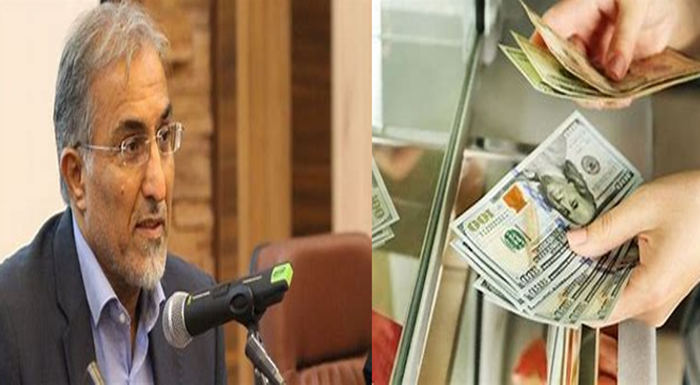
The Iranian economy is facing five mega challenges, according to economist Hossein Raghfar. These challenges include governance, population and employment, environmental and water resources, technology and innovation, and foreign diplomacy. Each of these challenges is significant enough to destabilize a society on its own, but together they represent an unprecedented crisis. Raghfar has warned that without the political will to address these issues, Iran’s political system could face serious threats.
As Iran teeters on the edge of this “dreadful precipice,” the question remains whether the current regime can address these challenges or if the country is destined to repeat the mistakes of its past.
One of the most critical aspects of Iran’s economic woes is the prevalence of rent-seeking relationships within the government. Momeni described this as the root cause of the country’s current crises. He argued that as long as these relationships persist, poverty, corruption, and societal decay will continue to plague Iran. This systemic corruption is drawing comparisons to the Qajar era when the government’s responsibilities were minimal and the ruling class was characterized by corruption and extravagance.
The echoes of the past are not lost on observers. The 1905 Constitutional Revolution in Iran, which aimed to establish freedom and equality, was sparked by similar conditions—corruption, betrayal, and the decline of the ruling class. Today, the parallels between the religious fascism of the current regime and the decadence of the Qajar era are stark, leading some to believe that Iran may be on the cusp of another significant political upheaval.

MEK Iran (follow us on Twitter and Facebook), Maryam Rajavi’s on her site, Twitter & Facebook, NCRI (Twitter & Facebook), and People’s Mojahedin Organization of Iran – MEK IRAN – YouTu