
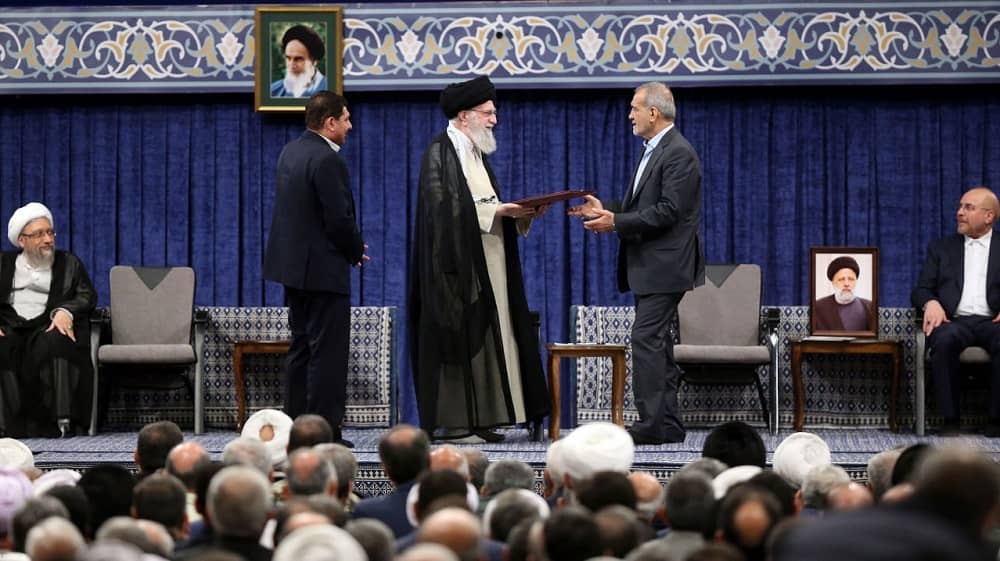
Massoud Pezeshkian, the incoming president of Iran, ignited a storm of controversy with his remarks to the Majlis (parliament) regarding the recent elections.
In his speech, Pezeshkian lauded the “strong punch” delivered by the voters against those opposing the regime, claiming a victory over detractors domestically and abroad. However, his comments have been met with widespread anger, especially given the Iranian populace’s significant boycott of the elections. Despite Pezeshkian’s bold assertion, official reports indicate that 88 percent of Iranians abstained from participating in what many view as a sham election. This stark reality has fueled ongoing backlash, leading Pezeshkian to attempt a retraction on his social media account. He differentiated between dissatisfied citizens and so-called “enemies” of Iran, suggesting external forces tried to dissuade voters from the polls.
Pezeshkian’s contradictory statements have only compounded the controversy. During the second election debate on July 2, he acknowledged the widespread disillusionment with the regime, noting that 60 percent of the population did not support either candidate. He questioned the legitimacy of governance by such a small minority, a sentiment that resonates with many Iranians who feel increasingly disenfranchised.
The regime’s official narrative of a 40 percent voter turnout has been widely discredited, with actual figures believed to be much lower. Pezeshkian admitted the perilously low participation in the second round of parliamentary elections, a mere 8 percent, underscoring the regime’s fragile grip on power.
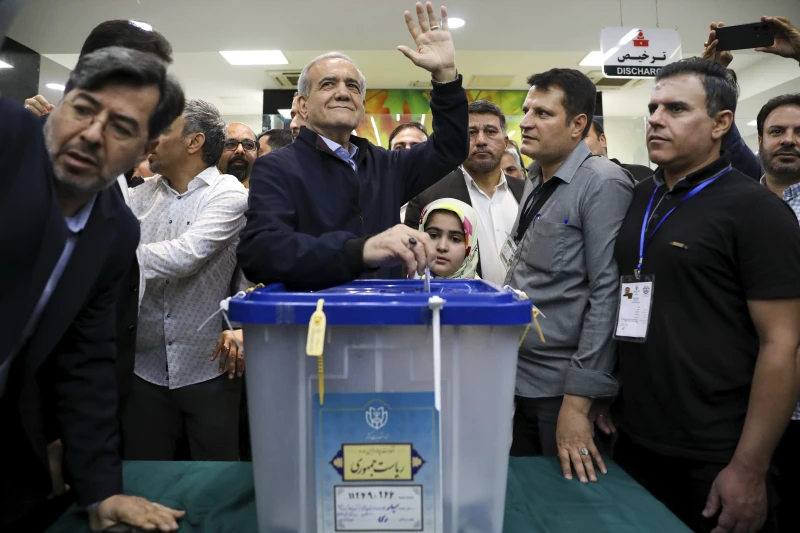
Pezeshkian argued that his candidacy was a necessary measure to avert the complete collapse of the system.
These admissions reveal several critical points. Firstly, the large-scale boycott of the elections signals a profound discontent with the current regime. Secondly, Pezeshkian’s own words highlight the precarious state of the Iranian government, suggesting that a similar boycott in the presidential election could have led to its downfall. However, his claim that his candidacy has reinvigorated public participation and saved the regime is highly dubious. The reported participation rates, even by the regime’s inflated standards, remain the lowest in its history.
Pezeshkian’s presidency, marked by the fewest votes relative to the population, indicates a significant erosion of legitimacy. This situation reflects a regime in crisis, with growing demands for change from within the country. The Iranian Resistance has been vocal about the declining support for the regime, emphasizing that the only viable outcome is a fundamental transformation driven by the Iranian people.
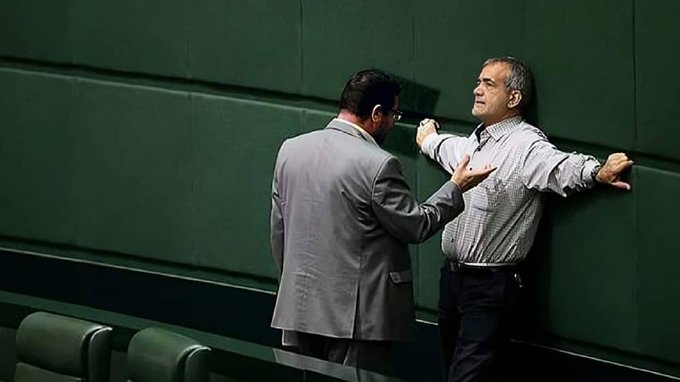
As Pezeshkian attempts to navigate this tumultuous political landscape, the underlying discontent and calls for reform continue to mount.
The future of Iran’s governance remains uncertain, with the possibility of significant upheaval looming on the horizon.

MEK Iran (follow us on Twitter and Facebook), Maryam Rajavi’s on her site, Twitter & Facebook, NCRI (Twitter & Facebook), and People’s Mojahedin Organization of Iran – MEK IRAN – YouTu