
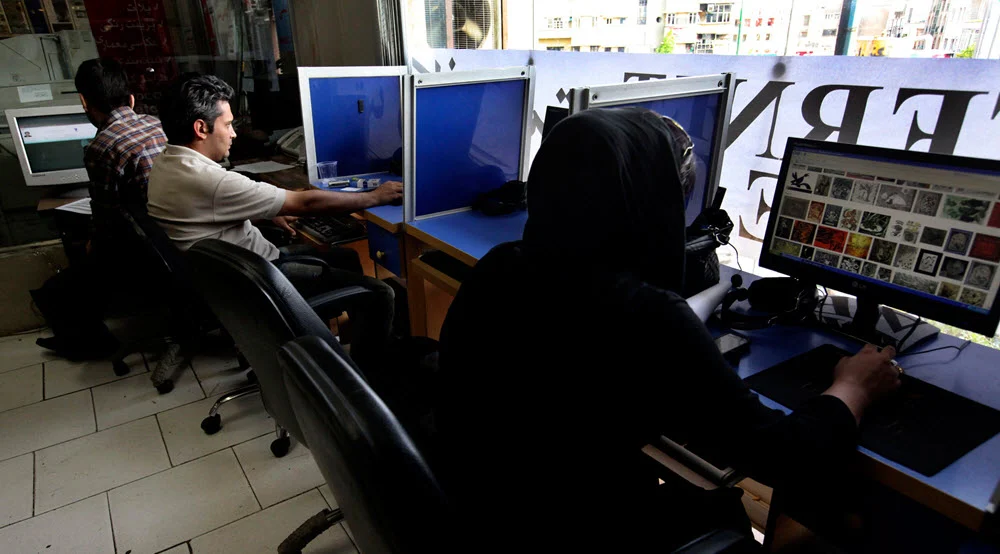
In a significant escalation of its control over public and digital spaces, the Iranian government has unveiled the “Ethical Crimes in Cyberspace” initiative.
This new campaign is part of a broader effort to enforce ideological conformity and suppress dissent within the nation. The initiative, led by Vahid Majid, the head of the Cyber Police division of the State Security Force, aims to target and penalize online activities that the regime deems contrary to Islamic, social, and cultural norms. This includes the production and distribution of what is considered vulgar content and inappropriate live broadcasts. According to the state-run news agency ISNA, authorities are now expanding their surveillance to monitor and act against individuals involved in these online activities, including operators and members of various “cyber checkpoints.”
This move is aligned with the ongoing enforcement of the “Noor Plan,” a strategy that includes heightened pressure on women to comply with strict hijab regulations and broader measures to control social behaviors. Notably, the regime has blocked access to major international social media platforms like Instagram, Facebook, X (formerly Twitter), YouTube, Telegram, and WhatsApp. Despite these restrictions, a February 2023 survey by the Iranian Students Polling Agency (ISPA) reveals that a significant portion of the population continues to access these platforms, showcasing the challenges the government faces in its attempt to isolate its citizenry from global digital communities.
#Iran News in Brief
Yahya Rahim-Safavi, former #IRGC Chief: “Let’s admit that we lost in the war of cyberspace. The #internet is in their hands, they got the upper hand, and all these systems of ours could not cope with their media.”https://t.co/MYECJy2ATH pic.twitter.com/OixK8gjsN4— NCRI-FAC (@iran_policy) January 26, 2023
Additionally, recent statements by MP Amir-Hossein Bankipour shed light on the punitive measures employed against women who fail to adhere to the hijab law. Fines escalating in severity are being used as a deterrent, with surveillance technology playing a crucial role in identifying violators. Bankipour’s comments highlight a disturbing trend of increasing reliance on surveillance cameras in both public and private sectors, ostensibly for broader security purposes but with clear implications for personal privacy and freedom.
They raise serious concerns about human rights violations and the suppression of freedom of expression. The international community and human rights organizations are calling for greater scrutiny and action against these policies.
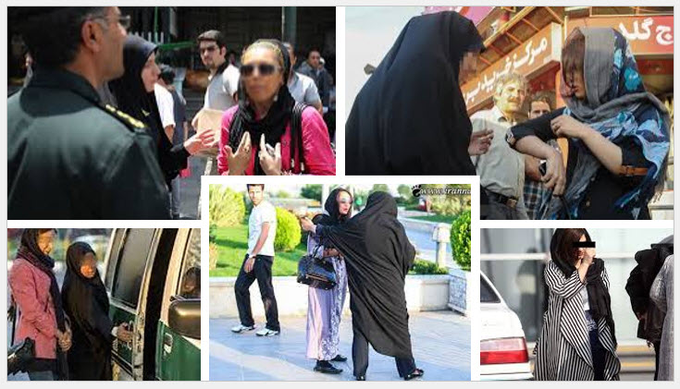
Critics argue that these measures reflect a deepening authoritarianism under the guise of moral and social protection.
As Iran continues to tighten its grip on both the digital and public spheres, the resilience of its citizens in finding ways to bypass censorship and maintain connections with the global community remains a testament to their defiance against oppressive governance. The situation continues to evolve, with significant implications for civil liberties and human rights in Iran and potentially influencing broader geopolitical dynamics in the region.

MEK Iran (follow us on Twitter and Facebook), Maryam Rajavi’s on her site, Twitter & Facebook, NCRI (Twitter & Facebook), and People’s Mojahedin Organization of Iran – MEK IRAN – YouTu