
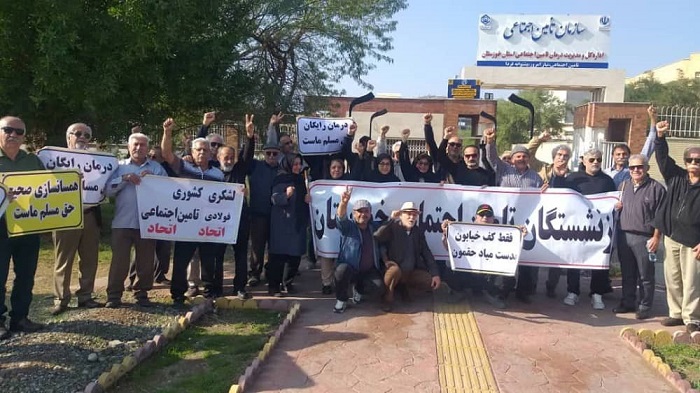
In recent weeks, a wave of protests and strikes across Iran has laid bare the growing frustration of citizens grappling with economic mismanagement, layoffs, and systemic oppression.
Spanning multiple provinces, these demonstrations paint a vivid picture of a nation teetering on the edge of widespread unrest. On December 28, laid-off employees from Sajjad Hospital in Kermanshah demanded reinstatement and fair treatment from the Medical Sciences University. Simultaneously, in Khorramshahr, workers from Iran Ofogh company marked the third day of strikes at the Yadavarn oil field, calling for equitable wages and improved conditions. Elsewhere, the PMOI Resistance Units in Zahedan intensified anti-regime activities, voicing opposition to all forms of dictatorship.
December 26 saw protests spanning various sectors. Ride-hailing drivers in Rasht rallied against unfavorable pricing policies, while retired teachers in Bojnurd and Eslamabad-e Gharb protested unpaid wages and low pensions. Disturbingly, in Zahedan’s Shirabad neighborhood, security forces demolished over 1,500 homes in three months, leaving marginalized Baluch families homeless amid harsh winter conditions.
December 28—Khorramshahr, southwest Iran
Third day of strikes by workers of Iran Ofogh company in the Yadavarn oil field.#IranProtests pic.twitter.com/3SGHeJsYcA— People's Mojahedin Organization of Iran (PMOI/MEK) (@Mojahedineng) December 28, 2024
A Broadening Scope of Protests
In Karaj and Kermanshah, retirees demanded overdue payments and justice for jailed activists. In Sistan and Baluchestan Province, drug shortages for chronic conditions like diabetes and kidney failure exacerbated the crisis. Meanwhile, at Tehran’s refinery, 150 welders were fired after striking for unpaid wages. Intelligence forces have since blacklisted these workers, further igniting public outrage.
On December 25, protests included truck owners in Kashan challenging inequitable cargo policies, residents in Arak decrying pollution from mazut fuel, and street vendors in Chabahar facing violent crackdowns by security forces. Each event highlighted the regime’s aggressive stance against economically disadvantaged groups.
December 26—Bojnurd, northeast Iran
Recently retired teachers hold protest rally to reiterate their demands for unpaid wages and higher pensions.#IranProtests pic.twitter.com/PMkTVVkdnn— People's Mojahedin Organization of Iran (PMOI/MEK) (@Mojahedineng) December 26, 2024
Systemic Issues at the Forefront
The unrest persisted on December 24, with rallies by contract workers in Bushehr demanding job reclassifications, municipal bus drivers in Ilam condemning budget misallocation, and retired teachers in Kermanshah criticizing inadequate pensions. Employees at Naft Hospital in Ahvaz protested excessive wage taxation, adding to the chorus of grievances.
These widespread protests underscore systemic issues that have plagued Iran for years. The regime’s responses—violent crackdowns, forced dismissals, and systemic neglect—have only deepened public resentment. As economic woes compound social injustices, the nation’s trajectory points toward continued unrest, with citizens increasingly unwilling to endure ongoing hardships and oppression.
PMOI Resistance Units intensify anti-regime efforts in Zahedan amid rising executions https://t.co/ZJ4vOh5fpg
— People's Mojahedin Organization of Iran (PMOI/MEK) (@Mojahedineng) December 28, 2024

MEK Iran (follow us on Twitter and Facebook), Maryam Rajavi’s on her site, Twitter & Facebook, NCRI (Twitter & Facebook), and People’s Mojahedin Organization of Iran – MEK IRAN – YouTu