
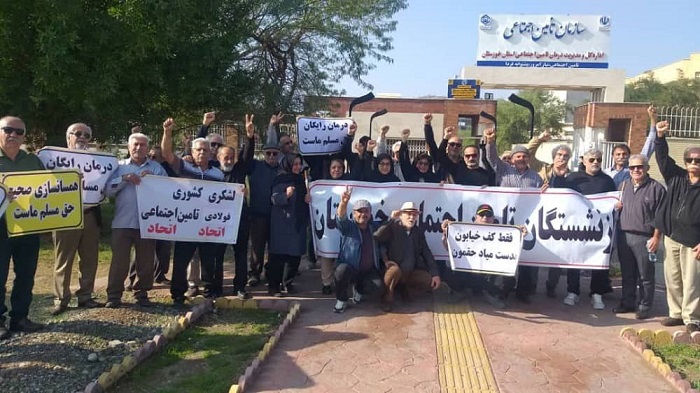
On December 29, Iran experienced a wave of protests and strikes across several cities as citizens expressed their frustration with surging inflation, high prices, and worsening living conditions.
Merchants, retirees, and workers joined the demonstrations, demanding economic reforms and holding the Iranian regime accountable for the crisis. Tehran’s Grand Bazaar became a hotspot for the protests. Merchants from industries such as textiles, footwear, and household goods closed their shops in solidarity, while protesters chanted slogans like “Don’t be afraid, close your shops!” and “Bazaar with integrity, show your support!”
The strikes also spread to key markets, including Mellat and Hamam Chal, as participants decried unaffordable raw material costs, cash shortages, and stalled production. “Rising exchange rates have made raw materials unaffordable, forcing workshops to shut down,” one textile merchant lamented. The U.S. dollar recently surged past 81,000 tomans, worsening financial pressures on small businesses. 
December 29—Ahvaz, southwest Iran
Retirees of the steel and mines industry hold protest rally, demanding higher pensions and access to basic services.#IranProtestspic.twitter.com/A8txf5Uqbo— People's Mojahedin Organization of Iran (PMOI/MEK) (@Mojahedineng) December 29, 2024
Nationwide Worker and Retiree Demonstrations
Protests weren’t confined to Tehran. Cities like Ahvaz, Shush, Isfahan, and Qaemshahr saw retirees rallying for higher pensions, shouting, “Enough with the warmongering; our tables are empty!” and “Injustice is unbearable!” Workers at Sirjan’s Frico Cooking Oil Company protested six months of unpaid wages and insurance, while employees at Ilam Medical Sciences University demanded overdue payments and better working conditions. Retirees from the steel and mining sectors in Isfahan and Mazandaran also called for fair pensions and essential services.
December 29—Tehran, Iran
Textile merchants close shop and join the strikes in Tehran's Grand Bazaar against inflation and high prices.#IranProtestspic.twitter.com/hwvZkwI5t5— People's Mojahedin Organization of Iran (PMOI/MEK) (@Mojahedineng) December 29, 2024
Economic Collapse Fuels Unrest
The demonstrations occur amidst escalating economic woes. Inflation has soared, and the Iranian currency continues to plummet. Gold coin prices reached record levels, with the Emami coin exceeding 57 million tomans. Experts warn that mismanagement could lead to hyperinflation, further shrinking purchasing power and destabilizing markets.
December 29—Tehran, Iran
Merchants continue their strikes despite repressive measures by the regime's security forces. The Grand Bazaar is in a state of shutdown. #IranProtestspic.twitter.com/5ztpRqCrVs— People's Mojahedin Organization of Iran (PMOI/MEK) (@Mojahedineng) December 29, 2024
Growing Frustration with the Regime
Despite a heavy security presence, protesters remained defiant. The Coordination Council of Retirees criticized the regime’s priorities, accusing it of investing in military projects while ignoring citizens’ needs. The ongoing exodus of healthcare workers—over 11,500 have left Iran in two years—highlights a broader crisis in public services.
Iran’s youth attack regime centers to mark anniversary of December 2017 uprising https://t.co/CvYPUHUTjr
— People's Mojahedin Organization of Iran (PMOI/MEK) (@Mojahedineng) December 29, 2024
As protests spread, analysts caution that the regime’s failure to address economic and social grievances may lead to wider unrest, further challenging its hold on power.

MEK Iran (follow us on Twitter and Facebook), Maryam Rajavi’s on her site, Twitter & Facebook, NCRI (Twitter & Facebook), and People’s Mojahedin Organization of Iran – MEK IRAN – YouTu