
Iran’s clerical regime is grappling with a profound crisis that threatens its legitimacy and ability to maintain control.
Widespread economic hardship, soaring inflation, and unemployment have plunged significant segments of the population into a daily struggle for survival, fueling protests and public dissatisfaction across the country.
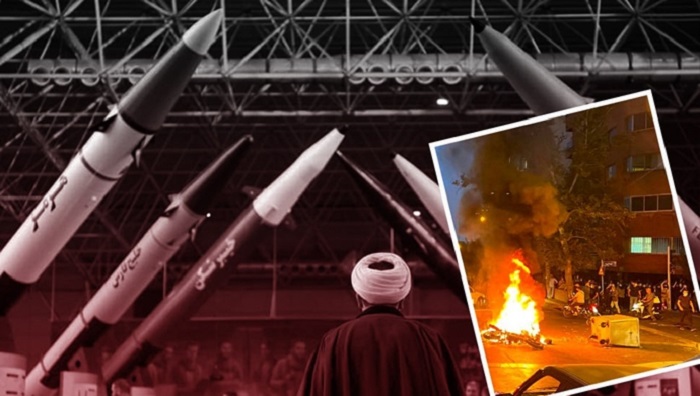
At the heart of the crisis lies the regime’s disconnect from the needs and demands of its people. Despite acknowledging the importance of public support, the leadership has relied on repressive measures, including executions and crackdowns, to stifle dissent. This contradictory approach highlights a stark disparity between rhetoric and action. Mohammad Bagher Ghalibaf, Speaker of the Majlis (Parliament), recently underscored this inconsistency. At a November 28 press conference, Ghalibaf stated, “Our power does not lie in missiles; it lies in having the people’s hearts with us.” His comments reflect an awareness of the regime’s diminishing social base but stand in sharp contrast to its ongoing investment in military power and regional proxy wars.
The regime’s heavy focus on missile programs and authoritarian measures has failed to bolster national security or alleviate domestic challenges. On the contrary, these policies have exacerbated the economic crisis, deepening public frustration.
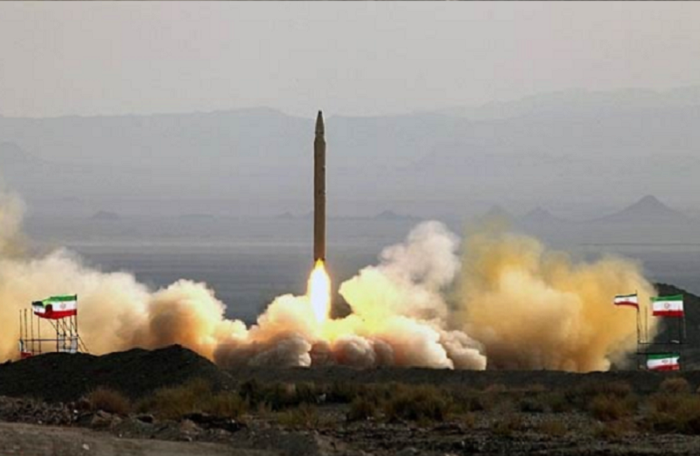
Ghalibaf himself admitted that these initiatives impose heavy economic burdens, further undermining the nation’s stability.
Runaway inflation, uncontrolled price hikes, and a devalued national currency have left millions struggling to make ends meet. Official statistics paint a grim picture, with escalating poverty and unemployment rates fueling unrest. Protests by teachers, workers, and retirees in various cities underscore the urgency of the crisis. Yet, instead of addressing these concerns, the regime appears caught in a cycle of repression and militarization, unable to reconcile its need for legitimacy with its authoritarian tendencies
The crisis extends beyond economics. The regime’s legitimacy is eroding across political and social spheres, creating a multilayered dilemma. Critics argue that resolving these challenges requires a fundamental shift—a collective effort to move beyond the regime altogether. This sentiment resonates among many Iranians who believe that unity and solidarity across social groups are essential for meaningful change.
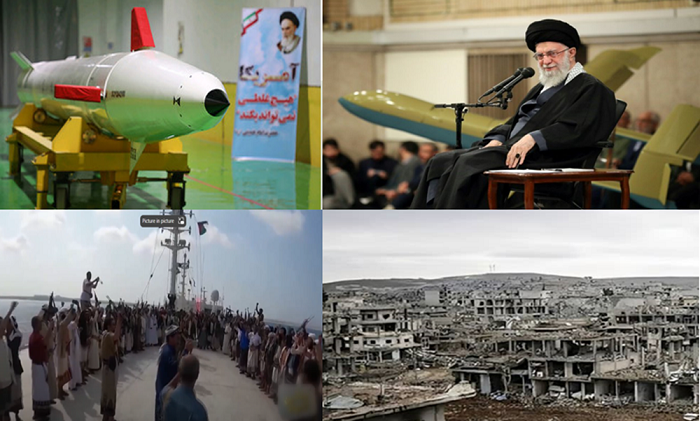
Ghalibaf’s admission that the regime’s foundation rests solely on its military might serves as a stark reminder of its precarious position.
As the demands of a justice-seeking nation grow louder, the regime faces a historical turning point. Whether it chooses to address its legitimacy crisis or continue down its current path remains to be seen, but the people of Iran appear steadfast in their pursuit of a brighter, more equitable future.

MEK Iran (follow us on Twitter and Facebook), Maryam Rajavi’s on her site, Twitter & Facebook, NCRI (Twitter & Facebook), and People’s Mojahedin Organization of Iran – MEK IRAN – YouTu