
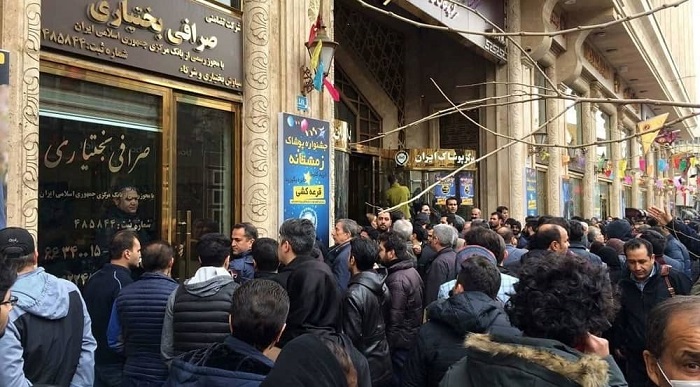
Iran’s government faces mounting pressure as its economy teeters on the brink of collapse, with escalating warnings from lawmakers, economic experts, and state-controlled media highlighting widespread mismanagement and growing public discontent.
During a tense parliamentary session on November 26, alarmed MPs directed their appeals to Supreme Leader Ali Khamenei, bypassing President Masoud Pezeshkian, in a clear acknowledgment of the regime’s central power dynamics.
Parliament Speaker Mohammad Bagher Ghalibaf starkly outlined the grim realities facing the nation’s energy and oil sectors, once cornerstones of Iran’s economic leverage. “We no longer have oil to threaten our enemies,” he lamented, citing the dual challenges of dwindling production and limited market access. The imbalance in Iran’s energy sector, underscored by recent gas shortages and power outages, has further crippled economic growth and depleted tax revenues, amplifying the fiscal crisis.
Economic instability dominated the session, with MP Hossein Samsami blaming inflation and a devalued national currency on the Central Bank’s “destructive” policies.
Regime’s Fear Mounts as #Iranian Officials Warn of Economic Collapse and Public Outragehttps://t.co/eYd3ctUroe
— NCRI-FAC (@iran_policy) November 24, 2024
He warned of potential impeachment if corrective measures were not implemented. Highlighting a 50,000 toman rise in the secondary market exchange rate this year, Samsami pointed to worsening inflation as a key driver of Iran’s economic woes.
MP Mehrdad Lahouti exposed the unsustainable financial practices deepening the crisis, noting a staggering budget deficit of 1,800 trillion tomans financed through high-interest bonds and a depleted National Development Fund. “There’s nothing left in the fund—it’s 32 billion dollars in the red,” he said, predicting financial collapse without immediate intervention.
State media painted an equally dire picture. Ettelaat newspaper criticized the regime’s reliance on squeezing citizens, citing surging costs for essentials like bread, eggs, and utilities. Jahan-e Sanat warned that collapsing purchasing power was devastating businesses and swelling unemployment, pushing households to the edge. Bourse News bluntly questioned the future of productive investment, as risk-averse investors turn to gold and foreign currency for safer returns.
#IranProtests: Demonstrations Spread Across Provinces Amid Widespread Economic and #Social Grievanceshttps://t.co/dmwkuq9pAM
— NCRI-FAC (@iran_policy) November 20, 2024
Economic experts also sounded alarms over Iran’s dependence on heavily discounted oil exports to China, describing it as a “colonial trap” that locks the nation into unfavorable trade terms. With inflation soaring, public discontent rising, and the regime’s economic policies faltering, the specter of renewed unrest looms large.
The session underscored the urgent need for reform in a system seemingly stretched beyond its limits. As economic hardship deepens, Iran’s clerical regime faces a volatile future where inaction could ignite widespread upheaval.

MEK Iran (follow us on Twitter and Facebook), Maryam Rajavi’s on her site, Twitter & Facebook, NCRI (Twitter & Facebook), and People’s Mojahedin Organization of Iran – MEK IRAN – YouTu