
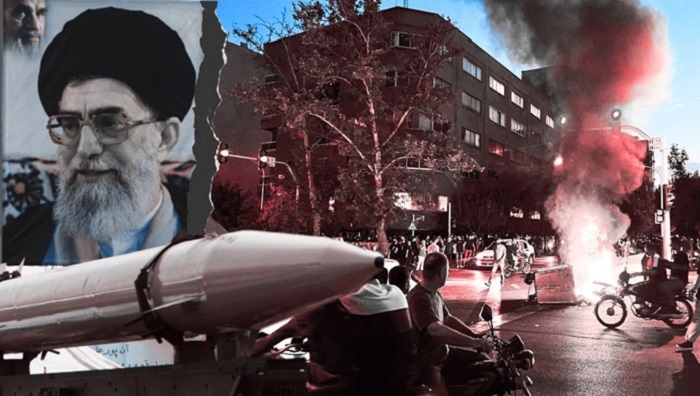
In a rare moment of transparency, Iranian analysts connected to state-run media have acknowledged the significant internal struggles facing the Tehran regime.
This candid assessment, published across various state-affiliated outlets, emphasizes Iran’s internal and external challenges stemming from its longstanding policy of regional influence and military engagement. These admissions mark a notable shift in the regime’s public narrative, highlighting a precarious position that some officials have termed a “deadlock” or “existential problem.”
An analysis published in Ham-Mihan on November 2, offers a striking portrayal of Tehran’s dilemma, suggesting that the regime now faces choices between “bad and worse.” According to the report, Iran’s prolonged involvement in regional conflicts and its strategy of projecting power have exacerbated political and economic vulnerabilities. Military engagements, once deemed a show of strength, now appear to have left the regime at an impasse, potentially impacting not only Iran’s military standing but its political legitimacy as well.
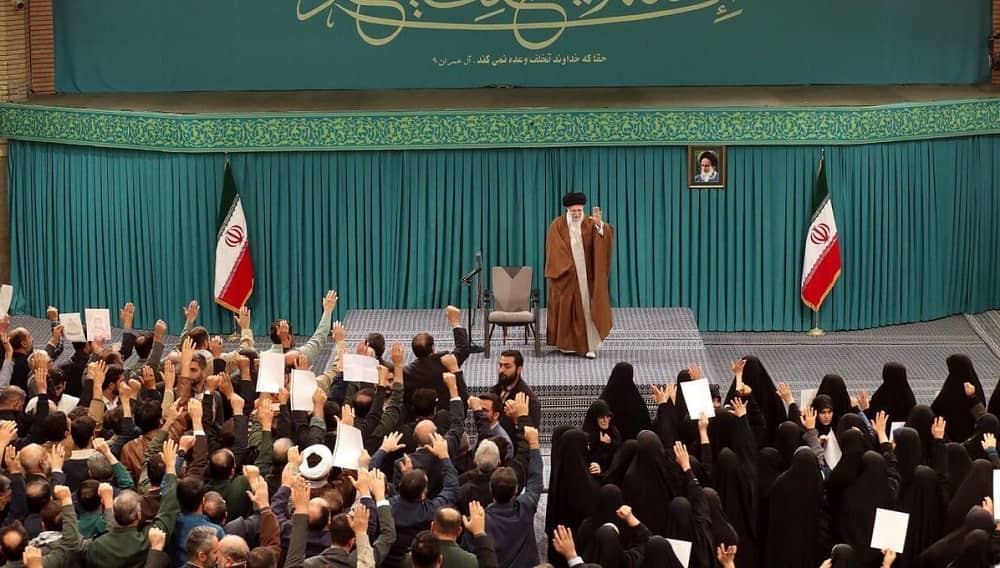
The commentary underscores a key theme: the unintended consequences of Iran’s assertive foreign policy. As noted by regime experts, Iran’s ambitions have increasingly backfired, especially over the past year.
The October 1 Ham-Mihan report underscored this, explaining that Iran’s self-perceived strength was “weaker and more unstable than expected.” The escalation of regional conflicts, alongside difficulties faced by Iran’s ally Hezbollah, revealed an overestimation of Tehran’s power. Further complicating matters, reports of political stagnation within Tehran’s leadership sparked public mistrust, with social networks abuzz with accusations of “political impotence” among Iran’s elite military commanders.
This rhetoric is not entirely new. On September 11, Shargh newspaper ran an article by Mostafa Hashemi-Taba, a former presidential candidate aligned with Supreme Leader Ali Khamenei. Taba’s article, titled “We are Checkmated,” presented a grim perspective, arguing that Iran’s current predicament transcends individual leadership or government policies. Taba asserted that Iran’s issues are not solely the result of international sanctions or diplomatic strains with the U.S., noting that even a diplomatic pivot would not resolve Iran’s deeper internal crises.
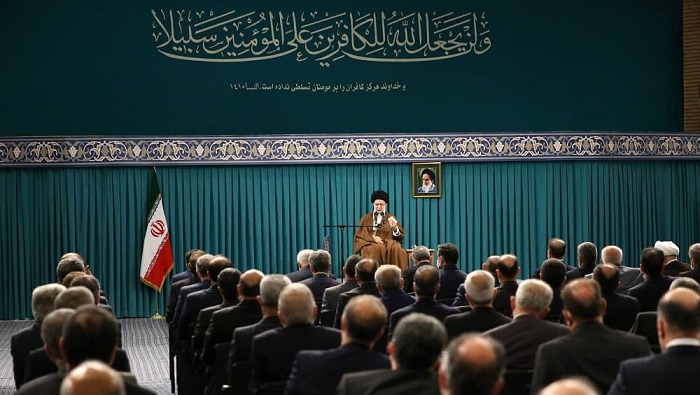
As Iran’s leadership confronts these admissions, it is clear that the regime’s traditional policies face unprecedented internal criticism, perhaps signaling a need for recalibration as public discontent and international pressures mount.
Now, as Iranian leadership grapples with these realities, some analysts warn that the consequences could reach an “existential” level, threatening the regime itself. The November 3 analysis described this scenario as moving beyond military impacts to potentially harming Iran’s political standing on the world stage.
