
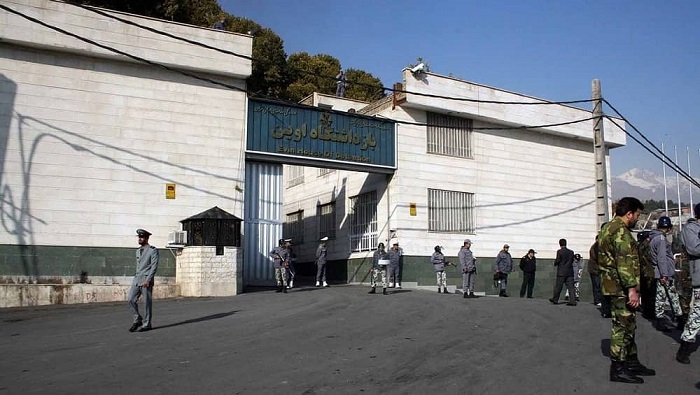
In a growing protest against Iran’s execution practices, the “No to Executions Tuesday Campaign” has reached its 40th consecutive week, with Kahnuj prison now joining a coalition of 24 detention centers involved in hunger strikes.
These weekly hunger strikes have become a national movement as prisoners across Iran’s penitentiary system protest the increasing frequency of executions, which, according to activists, represent a grim rise in capital punishment practices under Iran’s judicial system.The prisons taking part include high-profile facilities such as Evin Prison’s women’s and men’s wards, Ghezel Hesar, Karaj Central, Greater Tehran, as well as several in smaller cities like Shiraz, Bam, and Qaemshahr. These unified efforts aim to draw attention to the rising rate of executions, which spiked recently, with 27 individuals reportedly hanged over three days in October—a staggering average of seven executions daily.
A statement released by participating prisoners highlights the severity of the situation: “In the medieval regime ruling Iran, we are witnessing an increasing daily rate of executions. This year alone, approximately 567 people have been executed.” The statement attributes this increase to what it describes as Iran’s “medieval regime,” accusing authorities of using execution as a tool to incite fear and control within society.
One of the campaign’s recent focal points is the execution of Jamshid Sharmahd, who was hanged after four years in solitary confinement. Activists claim Sharmahd’s prolonged detention was used as a tactic to obscure evidence of torture and other alleged human rights violations, shedding light on broader concerns regarding transparency within the Iranian judicial system.
October 29—Tehran, Iran
Families of death row prisoners rally in front of the Majlis (parliament) to protest execution sentences.
"Don't execute," protesters chant#IranProtestspic.twitter.com/fhG3kaC6gA— People's Mojahedin Organization of Iran (PMOI/MEK) (@Mojahedineng) October 29, 2024
The movement also underscores the plight of four Baluchi political and ideological prisoners—Eido Shahbakhsh, Abdolghani Shahbakhsh, Abdolrahim Qanbarzehi, and Soleiman Shahbakhsh—who await execution in Ghezel Hesar prison. Held for over 16 months in the prison’s secure ward, their conditions are reported as “extremely dire,” and their lives hang in the balance as authorities accelerate their sentences. Meanwhile, resistance to the execution trend extends beyond prison walls. Last week, families of death row inmates gathered in front of Iran’s parliament, the Majlis, to protest.
This solidarity among prisoners, their families, and activists demonstrates a collective resilience in the face of widespread repression, casting a spotlight on Iran’s human rights policies and amplifying international calls for reform. This movement, uniting those directly impacted by Iran’s justice system, sends a resonant message of defiance against the state’s harsh penal policies, keeping the issue of capital punishment and human rights firmly in the global spotlight.
