
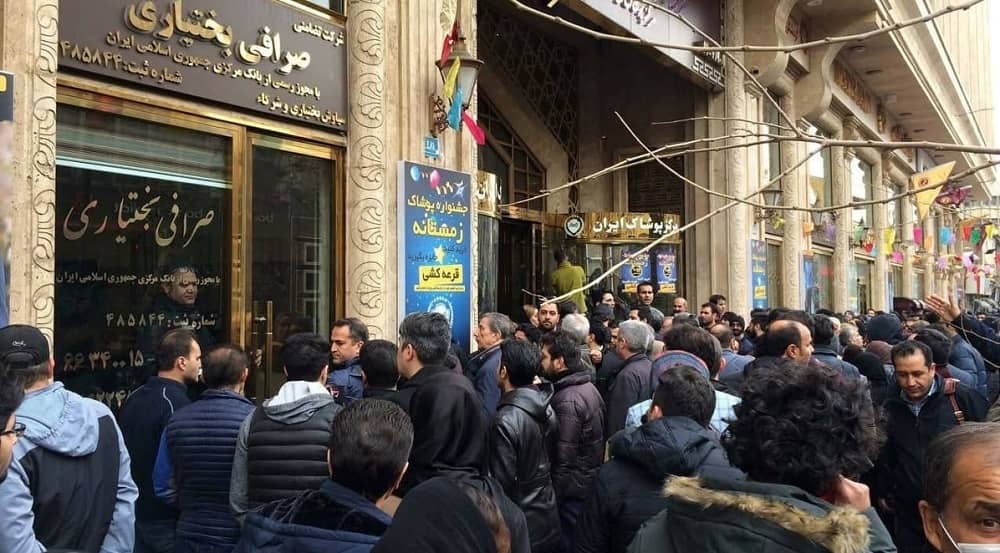
The Iranian economy, already plagued by years of mismanagement, corruption, and systemic inefficiencies, has continued its downward spiral under the newly appointed president, Masoud Pezeshkian.
Despite initial promises of reform and a hopeful change in direction, Pezeshkian’s first two months in office have only accelerated the decline, leaving Iranians struggling with skyrocketing prices and deepening poverty.One of the most immediate and painful impacts of the regime’s economic policies has been the drastic increase in the cost of essential goods. Bread prices have surged by up to 200%, while the costs of water and housing have also seen unprecedented hikes. For many Iranians, basic necessities have become unaffordable, fueling widespread frustration and discontent. Homelessness has worsened as authorities continue demolishing makeshift homes on the outskirts of cities, further exacerbating the struggles of the urban poor.
The government’s handling of the informal economy has also drawn sharp criticism. Street vendors, who rely on informal work to survive, have faced increasing crackdowns, with municipal authorities intensifying confrontations. At the same time, the regime’s push to raise fuel prices has sparked fears of an even deeper financial burden on already struggling households. Recent cuts in the fuel quota, reducing it by 10 liters per fill-up, have provoked public outrage and highlighted the growing disconnect between government policy and the everyday realities faced by ordinary Iranians.
Amid Budget Shortfall in #Iran, #Pezeshkian Government Prioritizes Gas Price Hike Over Security Expenditureshttps://t.co/MEzoIUDB75
— NCRI-FAC (@iran_policy) October 1, 2024
The agricultural sector has not been spared from the economic downturn. Rice farmers in northern Iran are facing financial ruin as the government prioritizes cheaper imports over domestically produced goods, leaving local crops to waste. The economic crisis is further reflected in Tehran’s overcrowded streets, where the authorities have hinted at potential tax increases to regulate the nine million vehicles on the road, another measure likely to strain citizens.Iran’s inflation rate continues to spiral out of control, with the misery index reaching a staggering 49.1% in 2023, up from 19.3% in 2016.
As the economic crisis worsens, the regime has increased its reliance on repressive measures to maintain control. With growing discontent across the country, Iran’s clerical regime faces mounting pressure from a population desperate for relief. However, without meaningful reform, the future looks increasingly bleak for the Iranian people.
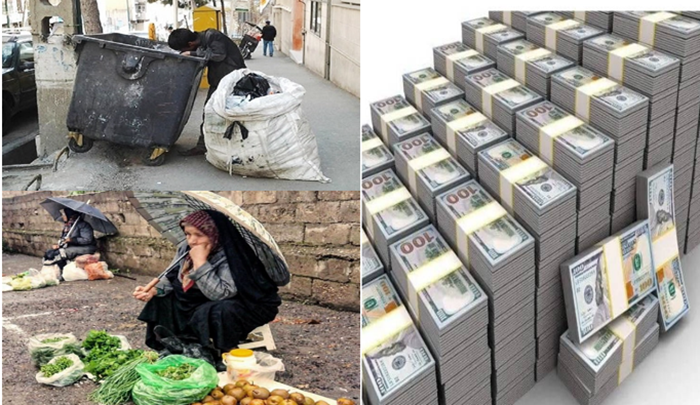
The regime’s economic policies, particularly its reliance on printing money, have fueled inflation, pushing more people into poverty.
