
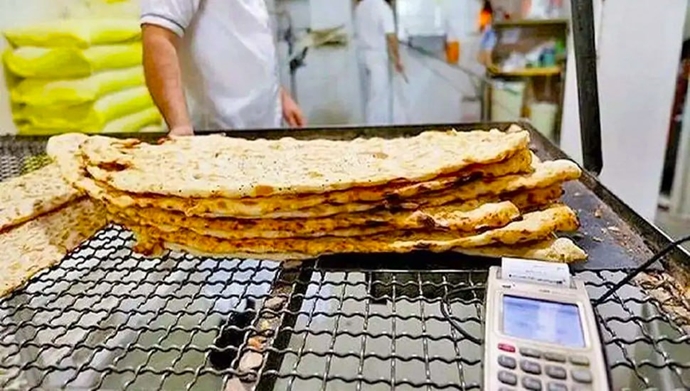
In a familiar pattern, the Iranian regime has once again increased the price of bread, a staple food for the country’s population.
By implementing gradual price hikes across provinces and controlling the flow of information, the government aims to prevent public shock and minimize the risk of uprisings. However, recent increases, particularly in the capital Tehran, and poorer regions like South Khorasan, have sparked significant concern and discontent among the population.
On August 7, state-run media first reported a 25% increase in bread prices in 10 provinces. By August 28, bread prices had risen by over 50% in Tehran, with Sangak bread increasing from 50,000 rials to 100,000 rials and other popular types such as Barbari and Taftoon experiencing similar jumps. Despite the government’s narrative of moderate increases, in some cases, prices have doubled, adding to the frustration of an already burdened population. According to a report by the state-run Etemad newspaper, the government covers 80% of the cost of bread, with consumers paying only a fraction of its actual price. However, this narrative does little to address the growing dissatisfaction, as the regime simultaneously faces a shortfall in its bread subsidy budget.
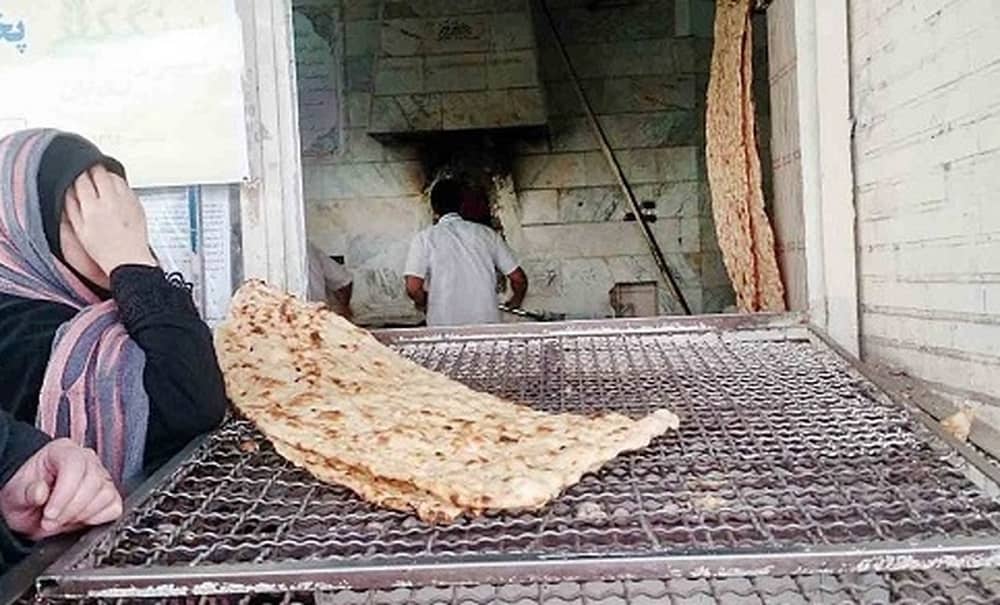
The Iranian government has sought to justify the price hikes by claiming that bread is heavily subsidized.
According to official statistics, the 2024 bread subsidy allocation falls 160 trillion rials short of the previous year’s budget, and it is estimated that the actual shortfall may be closer to 420 trillion rials.
In addition to the rising cost of bread, wheat farmers are also suffering. Despite government claims of self-sufficiency in wheat production, many farmers have not been paid for their crops. This has led to protests in provinces like Ilam and Khuzestan, where farmers continue to struggle with unpaid debts and rising costs.
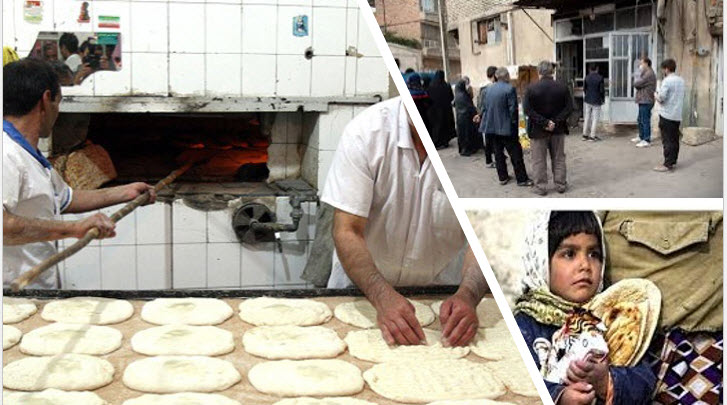
According to official statistics, the 2024 bread subsidy allocation falls 160 trillion rials short of the previous year’s budget, and it is estimated that the actual shortfall may be closer to 420 trillion rials.
At a time when the regime is increasing its budgets for repressive institutions like the Islamic Revolutionary Guard Corps (IRGC), the cuts to essential food subsidies highlight the growing economic disparity in the country. As living conditions worsen and bread becomes increasingly unaffordable, the discontent among Iran’s population continues to grow, with many believing that their only path to prosperity lies in regime change.

MEK Iran (follow us on Twitter and Facebook), Maryam Rajavi’s on her site, Twitter & Facebook, NCRI (Twitter & Facebook), and People’s Mojahedin Organization of Iran – MEK IRAN – YouTu