
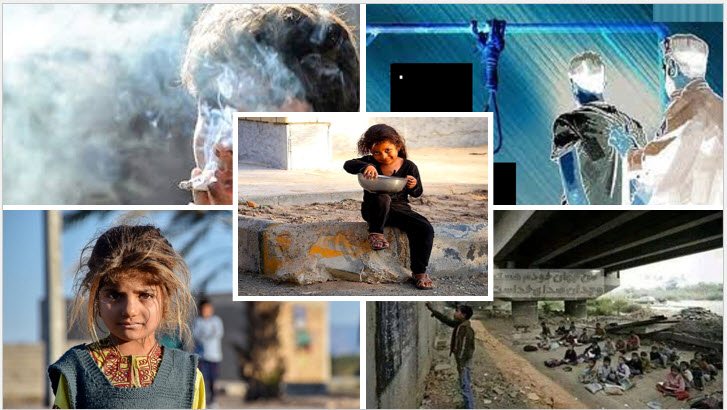
Iran’s economy, long plagued by years of mismanagement, corruption, and external pressures, is facing an even grimmer future under the leadership of the newly appointed President Massoud Pezeshkian. Despite the regime’s optimistic rhetoric, the country is grappling with a harsh economic reality characterized by stagnation and decline.
Lacking a clear economic plan and a competent team, Pezeshkian’s administration seems unprepared to steer the country toward recovery. Pezeshkian inherits an economy teetering on the edge of collapse. His predecessor, Ebrahim Raisi, left a legacy marked by high inflation, widespread poverty, and a rapidly depreciating currency. Pezeshkian now faces the daunting task of reversing these trends, but without a solid strategy or experienced leadership in his cabinet, the prospects appear bleak.
One of the most concerning appointments in Pezeshkian’s administration is Abdol-Nasser Hemmati as the proposed Minister of Economy. Hemmati, during his tenure as the head of the Central Bank, oversaw a period of severe economic decline, characterized by skyrocketing inflation and a significant devaluation of the rial. The disastrous implementation of a dual exchange rate system under his watch not only drained national reserves but also exacerbated corruption and widened economic disparities.
#Iran’s Economic Woes Expose Raisi’s Failed Promiseshttps://t.co/cSA5Ji3AUS
— NCRI-FAC (@iran_policy) April 15, 2024
Other critical appointments in Pezeshkian’s cabinet, particularly those responsible for industry, trade, and finance, also lack coherent economic strategies. Reports suggest these ministers remain unsure about the policies they need to present to parliament, a worrying sign of the administration’s inability to effectively tackle Iran’s economic challenges.
The industrial sector, once a vital component of Iran’s economy, is now deep in recession. The Purchasing Managers’ Index (PMI) for the sector has indicated contraction for two consecutive months, highlighting deepening industrial stagnation. Frequent power outages, shortages of capital, and an exodus of skilled workers have further exacerbated the situation. Recent figures reveal that industrial activity has fallen to a PMI of 47.2, well below the 50-point mark that separates expansion from contraction.
The labor market mirrors this distress, with the employment index dropping to 48.5, marking its steepest decline in three years. This sharp fall reflects both the lack of job opportunities and growing disillusionment among workers, many of whom are exiting the sector due to uncompetitive wages and rising living costs.
Delving into #Iran’s Corruption Chronicles – Part 3https://t.co/Vb50Xx9eVg
— NCRI-FAC (@iran_policy) December 22, 2023
Pezeshkian has placed some of his hopes on the Seventh Development Plan, which sets ambitious economic targets, such as placing Iran among the world’s top 10 economies and achieving a GDP of $2 trillion. However, with only 20 months remaining to implement this plan, none of these goals have been realized. The country’s GDP is stuck at around $450 billion, inflation remains at 40%, and a third of the population lives in absolute poverty. These objectives increasingly seem unattainable under the current administration.
The Tehran Stock Exchange reflects the broader economic crisis, with recent weeks witnessing over 3,600 billion tomans withdrawn by wary investors. The stock market index has plunged to its lowest levels in two years, underscoring the deepening crisis and the administration’s failure to restore investor confidence.
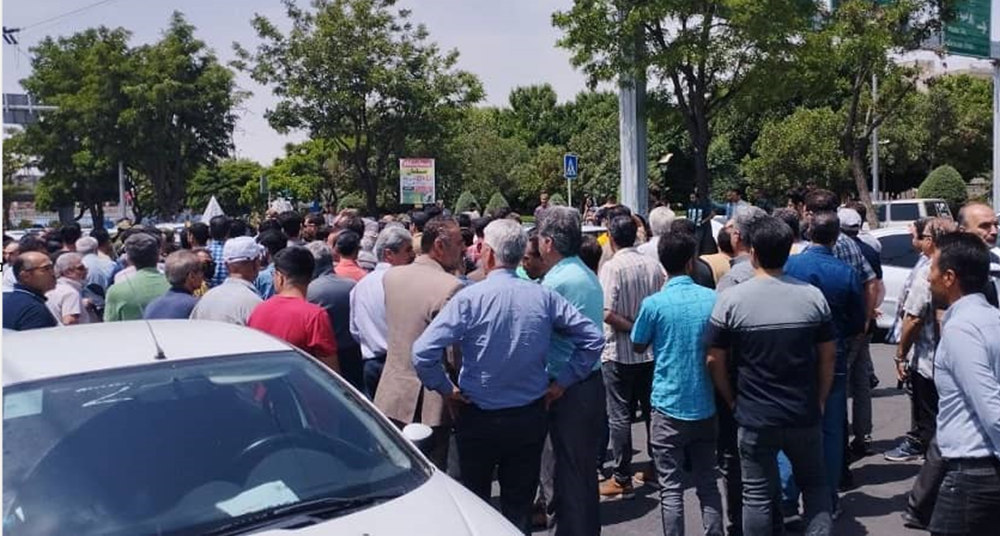
As Iran’s economic woes worsen, social unrest is on the rise. Persistent protests by workers, teachers, and retired government employees highlight growing discontent across the nation.
The inability of Pezeshkian’s administration to address these economic grievances suggests that the situation is unlikely to improve. Without a fundamental political and economic overhaul, Iran seems destined for greater social turmoil, driven by an economy showing no signs of recovery. Under the current regime, such transformative change appears a distant hope.

MEK Iran (follow us on Twitter and Facebook), Maryam Rajavi’s on her site, Twitter & Facebook, NCRI (Twitter & Facebook), and People’s Mojahedin Organization of Iran – MEK IRAN – YouTu