
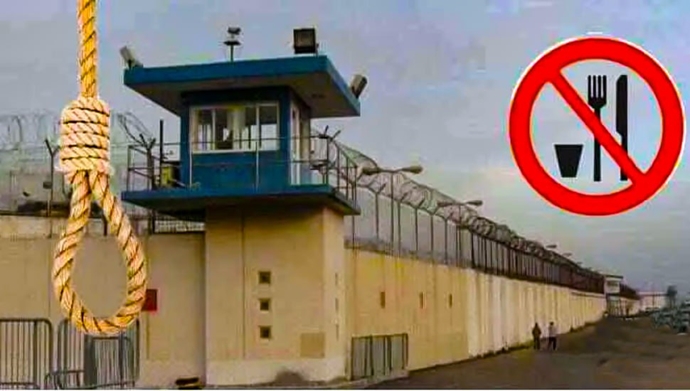
In a chilling escalation of state repression, Iran’s government has dramatically increased the number of executions since the introduction of its new president’s cabinet.
The intensified wave of executions, which appears to be aimed at instilling fear and preventing uprisings amid growing social tensions, has drawn widespread condemnation both domestically and internationally. Between August 6 and 13, 2024, at least 51 people were executed in Iran. The latest incidents occurred on August 13, when regime authorities hanged a prisoner in Kerman and two others in Rafsanjan. These executions are part of a broader pattern that has seen seven individuals executed on August 12 and 10, along with dozens more in the preceding days.
Maryam Rajavi, the President-elect of the National Council of Resistance of Iran, condemned the regime’s actions, asserting that the bloodshed is a desperate attempt by the government to stave off its “inevitable downfall” and growing internal crises. “These reckless bloodsheds only intensify the anger of the people and the youth of the country to overthrow this regime,” Rajavi stated. In a powerful act of defiance, political prisoners across 18 prisons in Iran held the 29th week of the “No to Execution Tuesdays Campaign” on August 13, coinciding with the latest round of executions.
The prisoners, who have been on hunger strike, issued an open letter detailing their protest against the regime’s use of executions as a tool of oppression. The letter highlighted the temporary reduction in executions during the recent election period, which they now view as a facade, warning that the regime has returned to its brutal methods with a vengeance. The prisoners cited the mass execution of 29 individuals in a single day at Ghezel Hesar Prison as evidence of the regime’s renewed crackdown.
By intensifying the #execution of prisoners, Ali Khamenei, the supreme leader of the clerical regime, is attempting to avert the regime’s inevitable downfall and deadly impasses. However, these indiscriminate bloodsheds only incite greater anger among the people and the youth of… pic.twitter.com/LrXbxJNSC3
— Maryam Rajavi (@Maryam_Rajavi) August 13, 2024
This surge in state-sanctioned killings comes after the inauguration of Masoud Pezeshkian, who, paradoxically, proclaimed Iran to be “the safest country in the Middle East.” Critics argue that under his government, “security” has been redefined to mean suppression and execution. The political prisoners’ letter also condemned the death sentences handed down to dozens of fellow prisoners in what they describe as vague and unjust trials.
Despite the regime’s oppressive tactics, the prisoners vowed that the crackdown would not deter their resistance. They called on “all awakened consciences inside and outside the country” to unite against the wave of executions before the regime’s apparatus of repression takes even more lives.
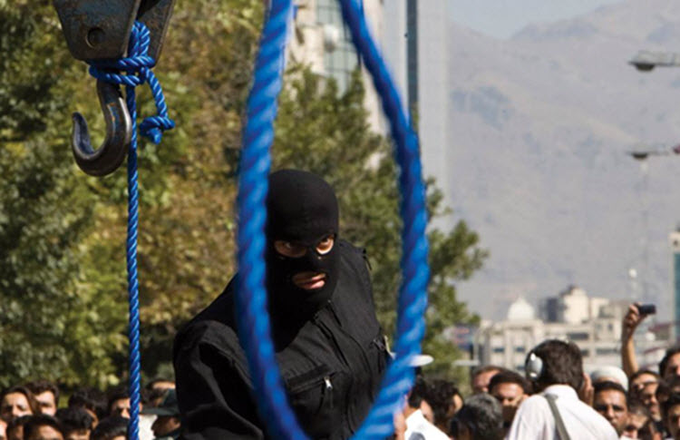
The case of six Sunni political and ideological prisoners sentenced to death by the Revolutionary Court in Mashhad, whose lives are now in grave danger.
As the “No to Execution Tuesdays Campaign” reaches its 29th week, the movement continues to gain momentum, now spanning numerous prisons in Iran. The courage of these prisoners in the face of such brutal repression underscores the growing unrest within the country and the mounting pressure on Iran’s government from both domestic and international fronts.

MEK Iran (follow us on Twitter and Facebook), Maryam Rajavi’s on her site, Twitter & Facebook, NCRI (Twitter & Facebook), and People’s Mojahedin Organization of Iran – MEK IRAN – YouTu