
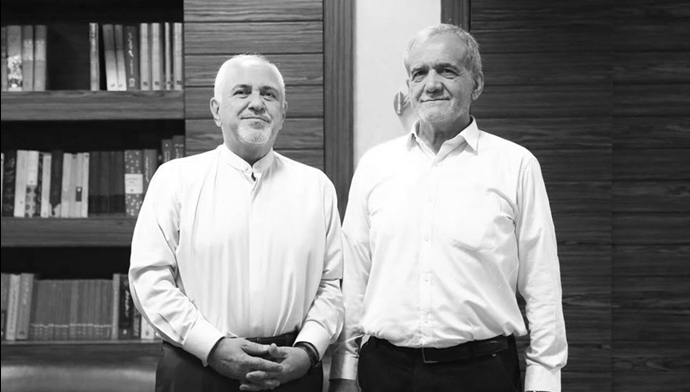
On August 1, Iranian President Massoud Pezeshkian appointed Mohammad Javad Zarif as his Strategic Deputy, a move that has ignited controversy and internal discord within the Iranian regime.
Zarif, a former foreign minister under President Hassan Rouhani, is a polarizing figure in Iran’s political landscape, known for his role in negotiating the 2015 nuclear deal. President Pezeshkian tasked Zarif with transforming the Center for Strategic Studies of the Presidential Office into a new structure under the Strategic Deputy. Zarif’s responsibilities include overseeing the implementation of the “Vision Document and General Policies” approved by Iran’s Supreme Leader, Ayatollah Ali Khamenei, and ensuring direct reporting to the president. Pezeshkian urged Zarif to leverage the experience of senior managers from previous administrations in fulfilling his new role.
The appointment of Zarif, however, has been met with immediate backlash from various factions within the regime. The IRGC-affiliated Fars News Agency reported discontent among its audience, with some expressing concerns about Zarif’s return to power. “We never had a Strategic Deputy until now! Zarif had promised he wouldn’t take any positions! From now on, we must be careful about everything because the spy is back,” one commenter was quoted as saying.
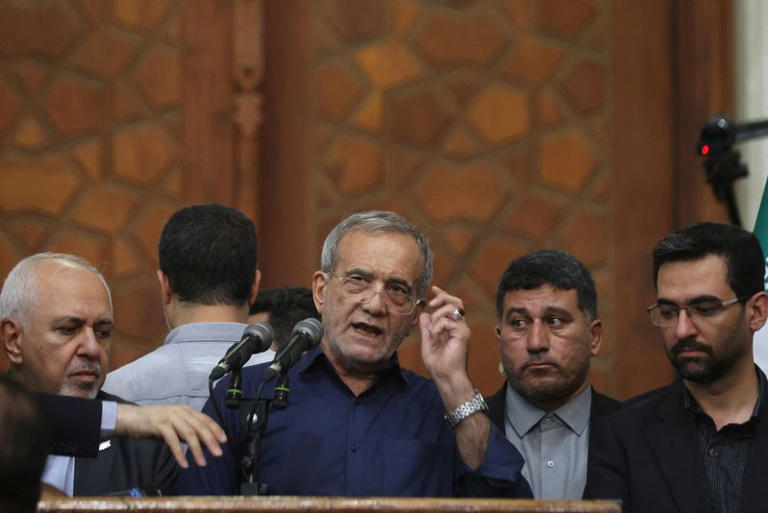
Zarif, addressing the controversy, stated, “I did not intend to accept any responsibility in this government.
However, the concern, dissatisfaction, and insistence of my dear compatriots, especially on social media, in recent days made me inevitably change that view somewhat; but only to the extent of formalizing a consultative role.” He emphasized that his new position should not create additional bureaucracy, interfere with existing departments, or burden the government budget.
Despite Zarif’s assurances, his appointment has deepened existing divisions within the regime. The Farhikhtegan newspaper noted that Pezeshkian’s decree effectively dissolved the Center for Strategic Studies, transferring its responsibilities to the newly established Strategic Deputy, a move seen by many as controversial. Further fueling the internal conflict, Pezeshkian’s appointments have primarily included figures from previous administrations, such as Mohammad Jafar Qaem Panah and Mohammad Reza Aref, leading to accusations of perpetuating the same policies and approaches that have long divided the regime.
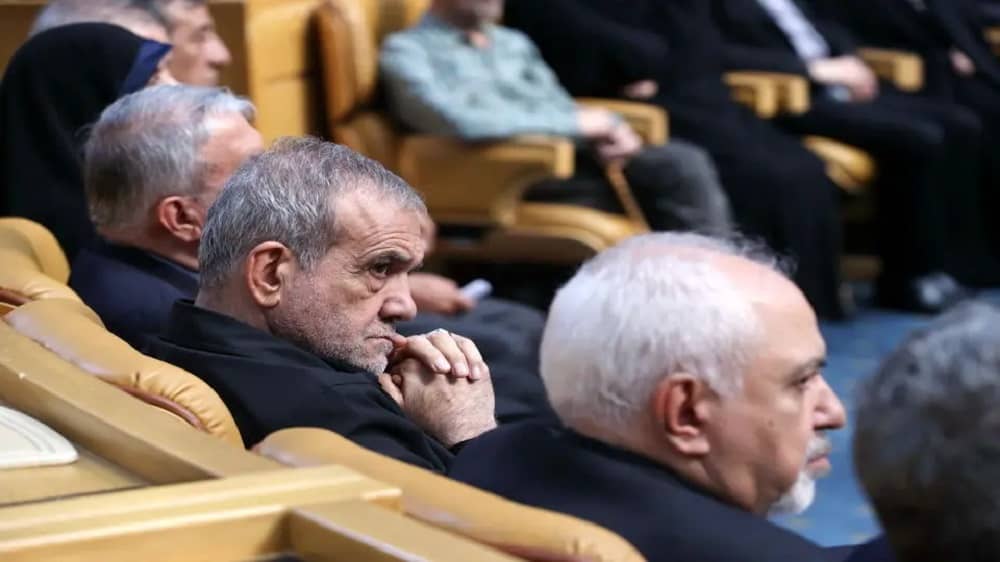
The reintroduction of Zarif and other former officials into the government is viewed by some as a sign of ongoing infighting and factional disputes, particularly as the regime grapples with challenges both domestically and internationally.
As Zarif assumes his new role, the Iranian political landscape is poised for further turbulence, with the president’s decisions likely to be scrutinized and contested by various factions within the regime. The appointment underscores the deep-rooted tensions within the Iranian government, signaling potential challenges ahead for Pezeshkian’s administration.

MEK Iran (follow us on Twitter and Facebook), Maryam Rajavi’s on her site, Twitter & Facebook, NCRI (Twitter & Facebook), and People’s Mojahedin Organization of Iran – MEK IRAN – YouTu