
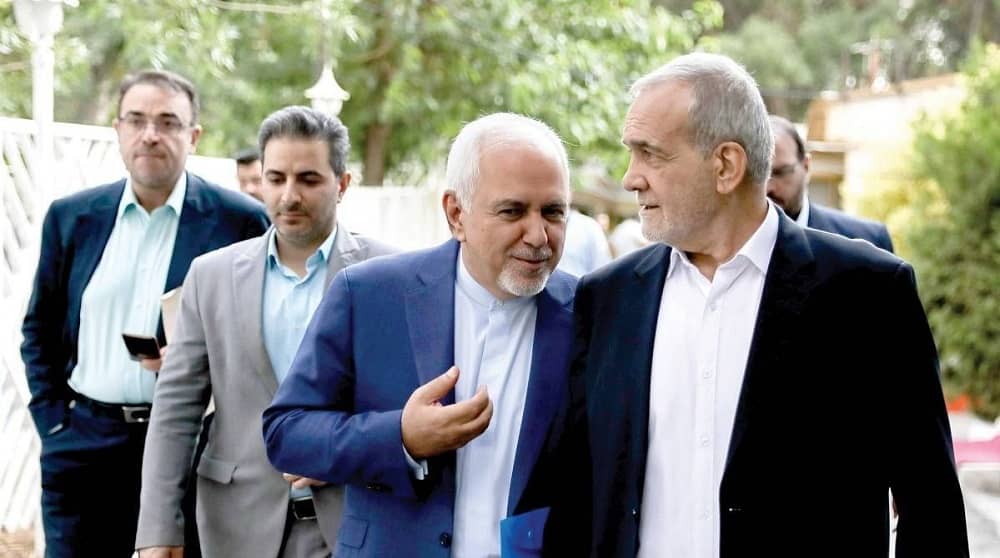
The Iranian regime’s recent election debate has been widely criticized and ridiculed, reflecting deeper issues within the country’s political and economic landscape.
Held among six candidates, the debate was intended to discuss economic policies but ended up being labeled by local media as a “non-debate,” “disappointing,” and a “roundtable discussion.”Criticism from various state-run outlets highlighted the failure of the debate to inspire or engage voters. On June 19, Mostaghel Online commented, “So far, the debate has managed to completely dissuade a significant portion of undecided voters from participating in the election.
” Similarly, Farhikhtegan reported, “The generally repetitive discussions of the candidates, which were also raised in economic roundtables, will not help increase participation.” Sazandegi added, “The first debate was designed in such a way that the three program hosts constantly delayed the main event with their verbosity.”
This lack of concrete proposals underscored the systemic issues within Iran’s kleptocratic regime, where genuine plans for economic recovery are often overshadowed by corruption and internal power struggles. Supreme Leader Ali Khamenei has repeatedly warned candidates against “slander and bad-mouthing and mudslinging” to maintain the regime’s fragile stability.
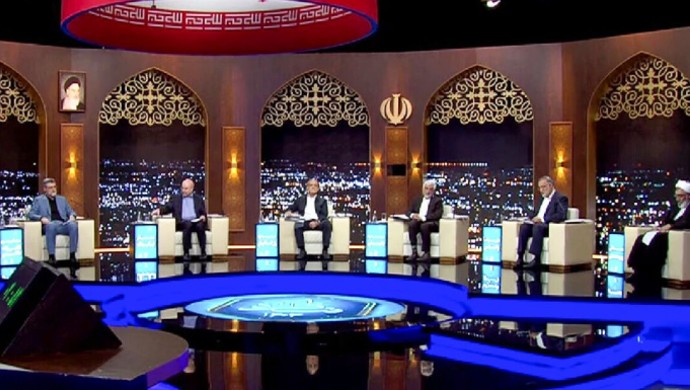
The candidates, tasked with addressing the nation’s economic crisis, offered little beyond vague generalities.
Despite these strictures, glimpses of the regime’s internal discord emerged during the debate. Amir-Hossein Ghazizadeh Hashemi remarked, “We heard generalities again, words that have been repeated before and have practically created a decade of negative economy for us.”
Massoud Pezeshkian’s candid criticism reflected the frustrations of many Iranians: “For 40 years, we’ve been saying we’ll fix it! But day by day, our money gets worse, and people’s purchasing power gets worse. We say we will give money, but when you want to print money, your debt will make your money worthless. Where will you get the money from?”
The debate also exposed allegations of corruption. Pezeshkian challenged Alireza Zakani on transparency, stating, “Our brother Mr. Zakani, if only he would kindly make the contract with China transparent, then say whether its money is from the Central Bank of Iran in China or Chinese sources.”
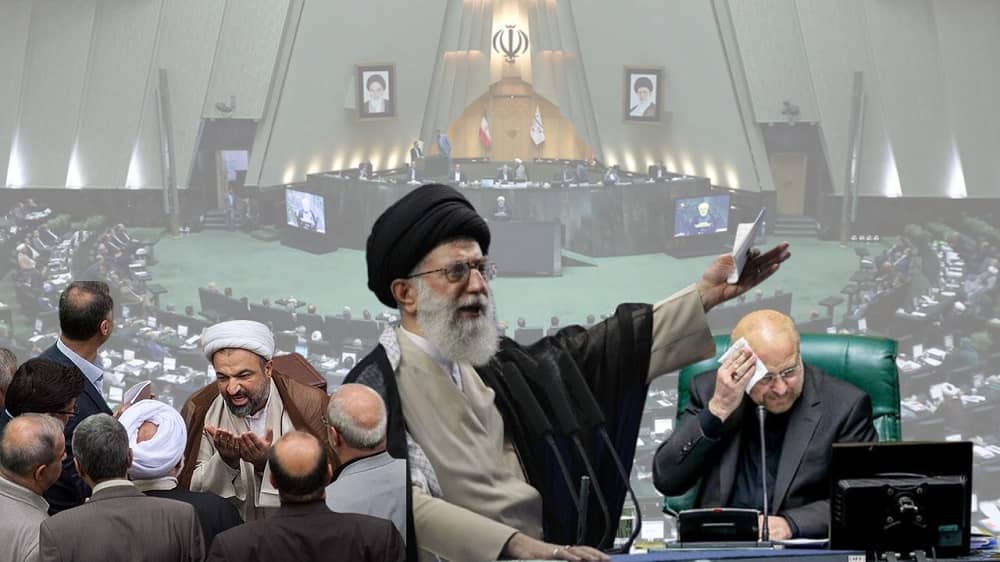
Mohammad Bagher Ghalibaf questioned the country’s intellectual brain drain, asking, “All our intellectuals and experts are stunned; then we wonder why our professors are emigrating?”
These exchanges, while highlighting internal tensions, failed to capture public interest. Many Iranians reportedly ignored the debate entirely, with the Telegram channel of the Islamic Revolutionary Guard Corps (IRGC) acknowledging the lack of engagement: “The first debate can be considered the last debate. It can be guessed that the most definite effect of this debate is that the next debates will be watched even less.”
This disengagement from the electoral process underscores the growing disillusionment among Iranians, who see little hope for meaningful change within the current political framework. As the regime grapples with intensifying crises, the disconnect between the government and its citizens appears more pronounced than ever.

MEK Iran (follow us on Twitter and Facebook), Maryam Rajavi’s on her site, Twitter & Facebook, NCRI (Twitter & Facebook), and People’s Mojahedin Organization of Iran – MEK IRAN – YouTu