
POLITICAL PLATFORM
- Title: Iran’s Defiant Resistance: The People’s Fight for Freedom
- Khamenei’s Real Fear: Unrest Within, Not Threats from Abroad
- As Protests Spread, Khamenei’s Plea Reflects a Shaken Regime
- UK Parliament Confronts Iran-Linked Security Threats
- Title: U.S. House Endorses Democratic Future for Iran with Bipartisan Resolution
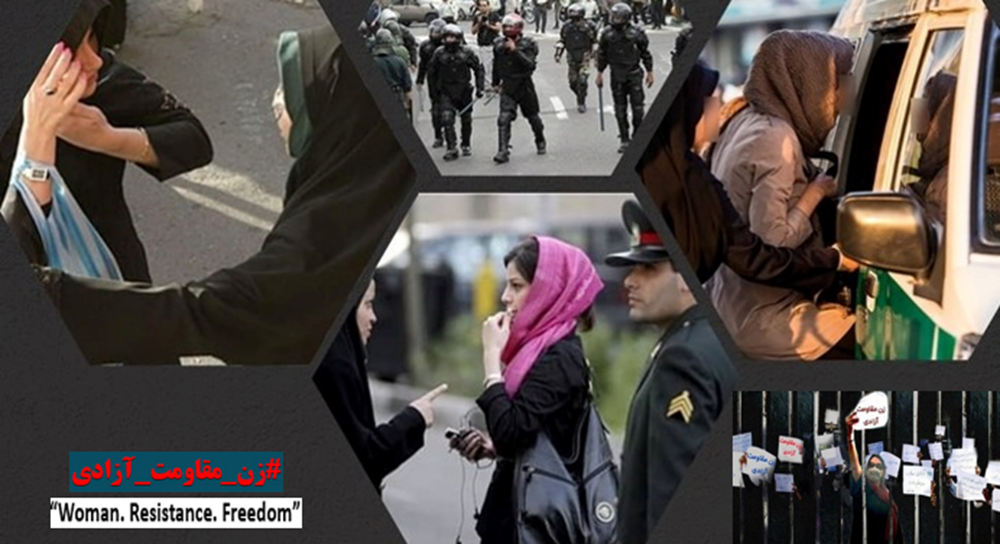
In various cities across Iran, retirees and other citizens have been protesting against the Iranian regime’s enforcement of mandatory hijab laws, highlighting deeper issues of state corruption and theft.
These protests come as part of a broader public outcry against what is perceived as a guise for deeper systemic issues under the leadership of regime supreme leader Ali Khamenei.
The protestors’ slogan, “Their slogan is hijab, but their action is plunder and theft,” encapsulates a widespread sentiment that the hijab campaign is merely a surface issue. Beneath it lies a more significant agenda related to suppressing social unrest against the regime’s systemic corruption and malpractices. This revelation has gained traction following the involvement of Kazem Sadiqi, the Secretary of the Committee for Encouraging of Virtue and Prevention of Vice, in a high-profile embezzlement case involving a cherry orchard. Despite the public scandal, Sadiqi retained his position with Khamenei’s backing, emphasizing the impunity enjoyed by officials.
Criticism within the regime itself surfaced when Masih Mohajeri, the editor-in-chief of the Islamic Republic newspaper, openly criticized the lack of accountability. Mohajeri’s sarcastic remark, “As long as you do not clarify the fate of the blasphemous preacher and the issue of the cherry orchard, you cannot compel society to adhere to religion and hijab,” highlights the internal divisions and debates over the regime’s moral and religious authority.
The enforcement of the hijab has been used strategically to divert attention from the regime’s inability to address pressing social issues, such as poverty, corruption, and rising prices, which were loudly voiced during recent uprisings with slogans like “Poverty, corruption, high prices, we’re going for overthrow.” In response, the regime has intensified its repressive measures, particularly against women, hoping to quell the mounting dissent. This approach, however, seems to have backfired, as it has not only failed to suppress the uproar but has potentially set the stage for more intense and widespread resistance.
The protests have also given rise to slogans like “Women, Resistance, Freedom,” championed by Resistance Units across the country. This slogan is rooted in the reality of Iranian society’s fight against the regime’s misogynistic policies and underscores the increasing involvement of women as central figures in the resistance movements. The historical narrative suggests that authoritarian regimes’ attempts to tighten their grip only hasten their downfall, a lesson seemingly evident in the current revolutionary climate in Iran.
As the regime persists with its repressive tactics, the resistance continues to gain momentum, fueled by a collective desire among Iranians to reject dictatorship in all its forms. The courage displayed by these protestors, especially women, signifies a pivotal moment in Iran’s long struggle for freedom and equality, proving yet again that repression can often lead to greater resistance.